
Poland’s parliament revives controversial crypto bill despite presidential veto

-
News
-
Video
-
Consensus 2026
-
Data & Indices
The Sejm passed the same version of the Crypto-Asset Market Act previously rejected by President Nawrocki, escalating political tensions.
By Olivier Acuna|Edited by Sheldon Reback
Dec 19, 2025, 2:09 p.m.

- Poland’s lower house of parliament passed a crypto regulation bill previously vetoed by President Nawrocki, sending it to the Senate for further debate.
- The bill aligns with the EU’s MiCA regulation, but is criticized for granting excessive powers to the Polish Financial Supervision Authority.
- Prime Minister Tusk’s government reintroduced the bill unchanged, emphasizing its importance for national crypto market oversight.
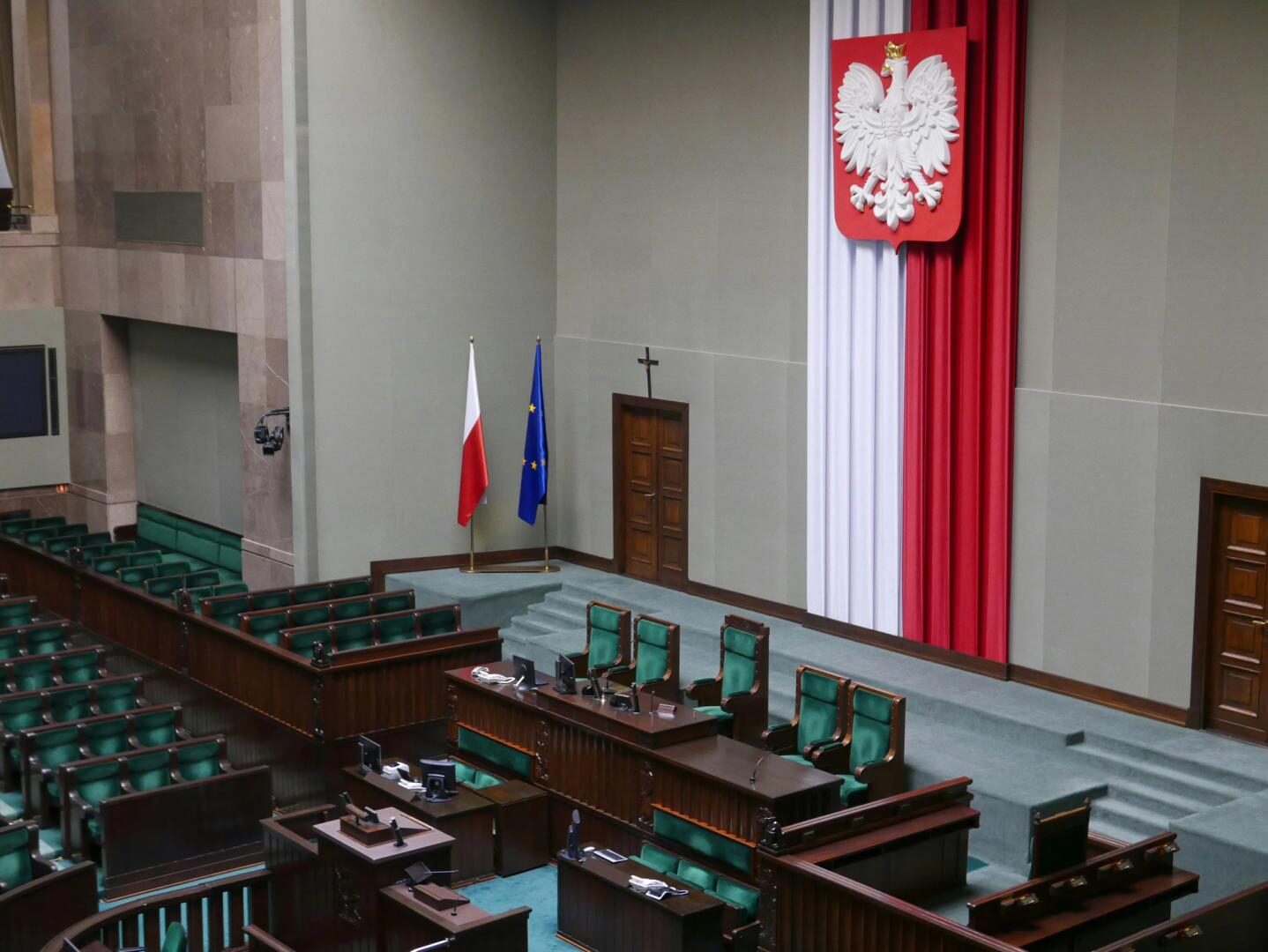
Poland’s lower house of parliament,the Sejm, passed a sweeping bill to regulate the crypto industry, reviving legislation previously vetoed by President Karol Nawrocki and sending it to the Senate for further debate.
The Crypto-Asset Market Act, approved Thursday by 241 lawmakers in the Sejm, remains unchanged from the version struck down earlier this month, the Sejm’s press office told CoinDesk.
STORY CONTINUES BELOW
“The bill went through readings by the members of parliament on Thursday and it has been voted and approved by them and sent to the Senate, where they will debate and if they approve it goes to the president, if not, if they reject it, it comes back to the Sejm,” a spokesperson explained.
The bill is intended to align Polish law with the European Union’s Markets in Crypto-Assets (MiCA) regulation. But critics, including Nawrocki and members of Poland’s crypto industry, argue it goes significantly beyond EU standards, granting the Polish Financial Supervision Authority (KNF) broad enforcement powers, including website blocking and multimillion-zloty fines.
Nawrocki’s office cited the law’s ambiguity, overreach and high compliance costs as reasons for the initial veto, warning that the provisions could damage smaller firms and allow “one-click” domain shutdowns, an approach not taken by most EU countries. The bill’s size, over 100 pages, also drew criticism for being excessive compared with simpler implementations seen elsewhere in the region.
Despite the objections, Prime Minister Donald Tusk’s government reintroduced the law without revisions, portraying its passage as critical for national oversight of crypto markets. With the Senate now set to review the legislation, the bill may face another showdown with the president, who retains the power to veto it once more.
More For You
Nov 14, 2025

What to know:
- As of October 2025, GoPlus has generated $4.7M in total revenue across its product lines. The GoPlus App is the primary revenue driver, contributing $2.5M (approx. 53%), followed by the SafeToken Protocol at $1.7M.
- GoPlus Intelligence’s Token Security API averaged 717 million monthly calls year-to-date in 2025 , with a peak of nearly 1 billion calls in February 2025. Total blockchain-level requests, including transaction simulations, averaged an additional 350 million per month.
- Since its January 2025 launch , the $GPS token has registered over $5B in total spot volume and $10B in derivatives volume in 2025. Monthly spot volume peaked in March 2025 at over $1.1B , while derivatives volume peaked the same month at over $4B.
More For You
By Jamie Crawley|Edited by Sheldon Reback
5 hours ago

The crypto exchange is taking legal action against Connecticut, Michigan and Illinois, Chief Legal Officer Paul Grewal wrote on X.
What to know:
- Coinbase sued Connecticut, Illinois and Michigan over the three states’ attempts to regulate prediction markets.
- The crypto exchange filed lawsuits to “confirm what is clear,” Chief Legal Officer Paul Grewal wrote in a post on X on Friday: that prediction markets fall under the jurisdiction of the CFTC.
- Prediction markets enable users to speculate on the outcome of future events by buying shares in contracts pegged to the potential results.
- State gaming regulators are flexing their muscles to prevent such services being offered on the basis they are a form of gambling.


-
Back to menu
-
Back to menu
Prices
-
Back to menu
-
Back to menu
Indices -
Back to menu
Research
-
Back to menu
Consensus 2026 -
Back to menu
Sponsored
-
Back to menu
-
Back to menu
Podcasts -
Back to menu
-
Back to menu
Webinars
Select Language