
Zcash to add quantum-recoverable wallets within a month, go post-quantum by 2027
Share this article
Bitcoin no longer holds up as the cypherpunk-grade money it was meant to be, Zcash’s Zooko Wilcox told an engaged audience.
By Shaurya Malwa|Edited by Oliver Knight
May 8, 2026, 9:08 a.m. 2 min read

- Zcash plans to introduce quantum-recoverable wallets within a month and aims to be fully post-quantum within 12 to 18 months, alongside a scaling push toward Visa- and Mastercard-level throughput.
- The roadmap comes alongside a 110% rally in ZEC over the past 30 days, fueled by a major Multicoin Capital investment and renewed interest in privacy-focused crypto.
- Adoption is being driven by cross-chain swaps into shielded ZEC via Near Intents and other upgrades, with the shielded pool now holding about 30% of circulating ZEC and proposals under discussion to cut block times and add token-holder voting.
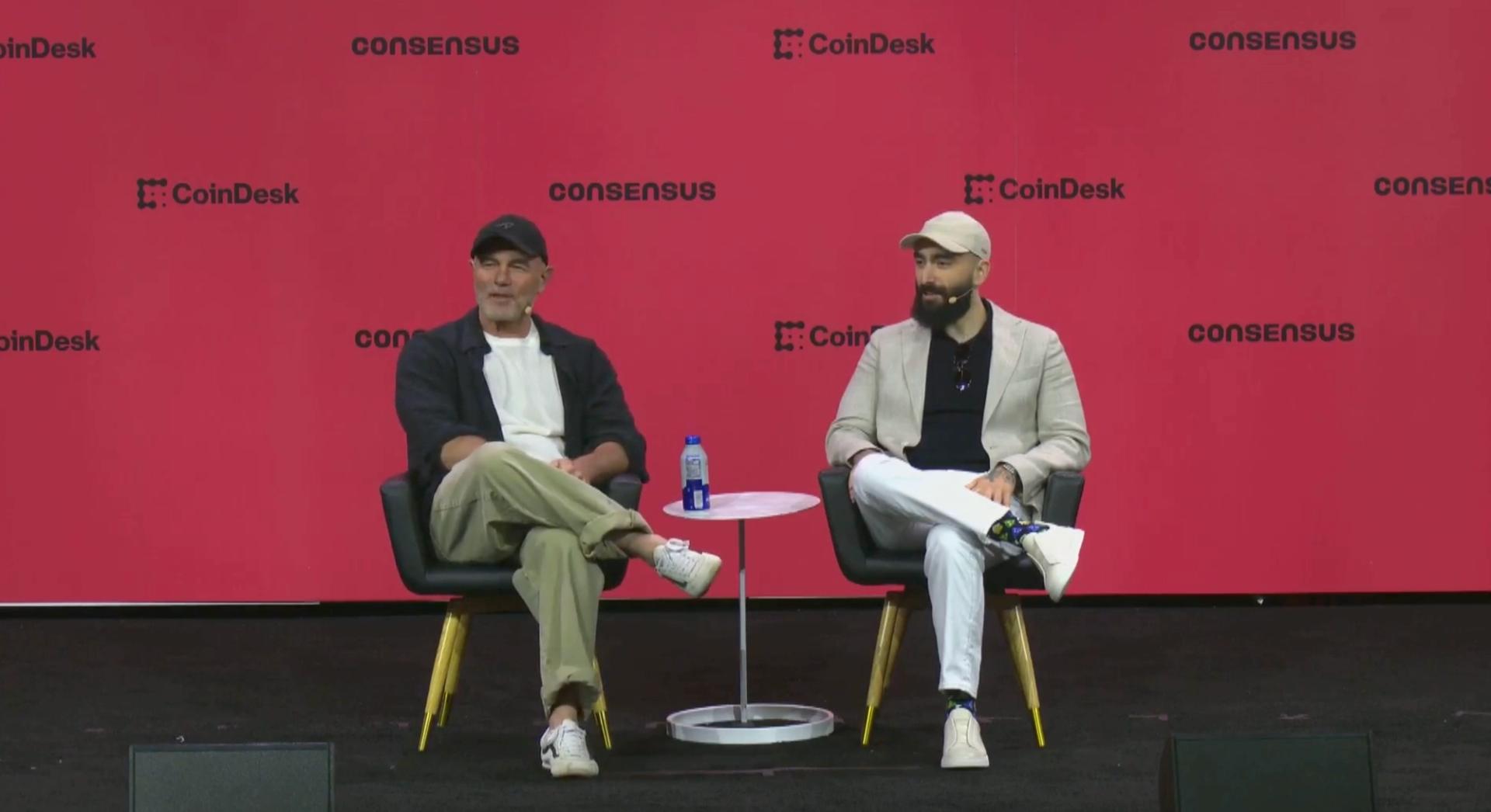
Zcash will roll out quantum-recoverable wallets within a month and reach full post-quantum status within 12 to 18 months, Zcash Open Development Lab founder and CEO Josh Swihart told a Consensus Miami audience on Thursday in a session moderated by Solana infra firm Helius’s founder Mert Mumtaz.
A separate scaling track is targeting MasterCard- and Visa-scale throughput on a similar horizon.
The roadmap arrived during a ZEC rally that has lifted the token more than 110% over the past 30 days as prominent crypto fund Multicoin Capital disclosed a sizable ZEC investment and the privacy narrative caught on among investors, sentiment daata shows.
Swihart’s pitch was that Bitcoin no longer holds up as the cypherpunk-grade money it was meant to be. The asset works as an ETF wrapper and a store of value, he said, but as a peer-to-peer private payment system “it’s just fundamentally broken.”
Visible balances on a transparent ledger let governments seize what they can see, he argued, the same wealth-visibility critique Multicoin’s Tushar Jain leaned on this week when disclosing the fund’s purchases.
The user-side traction is running through the Electric Coin Company’s mobile wallet after an October integration with Near Intents opened cross-chain swaps from assets like BTC, SOL and USDC directly into shielded ZEC.
Near Intents lets a user state what they want, like turning USDC into ZEC, while specialized routers handle the multi-step trade across different blockchains in the background.
Roughly $600 million to $700 million has flowed through that route since launch, mostly to and from USD and USDC, Swihart said. Near’s broader intent-based system has processed close to $800 million in volume over the past 30 days alone, per Near Protocol data, with Ethereum, Solana and Zcash dominating the chain side.
A separate proposal to cut Zcash’s target block time from 75 seconds to 25 seconds is in active discussion on the project’s community forum, with bridges to Solana and Hyperliquid already live, Mumtaz noted.
Token-holder voting through Zashi is also slated, Swihart said, less as formal governance and more as an opinion layer feeding the project’s existing rough-consensus model.
For traders, the cleanest near-term test is whether quantum recoverability actually ships within Swihart’s stated month. The fail-safe is the shielded pool, which now sits at roughly 30% of circulating ZEC, an all-time high. If it keeps growing alongside price, the rally is being underwritten by adoption rather than speculation
More For You
By Jeffrey Albus|Edited by Aoyon Ashraf
12 hours ago

Public blockchains make transactions traceable, but that transparency can come at the expense of user privacy. Speakers from Moody’s Ratings and ChangeNOW said that hybrid blockchain architecture and address-level monitoring can help solve both problems simultaneously.
What to know:
- Crypto can support both user privacy and institutional accountability, speakers explained in a panel on the onchain “intelligence layer.”
- Moody’s strategist Rajeev Bamra said institutional digital finance has grown by “over 100 or 150%” in the past 18 months but, at roughly $35 billion, remains a fraction of the $200-trillion-plus…


