
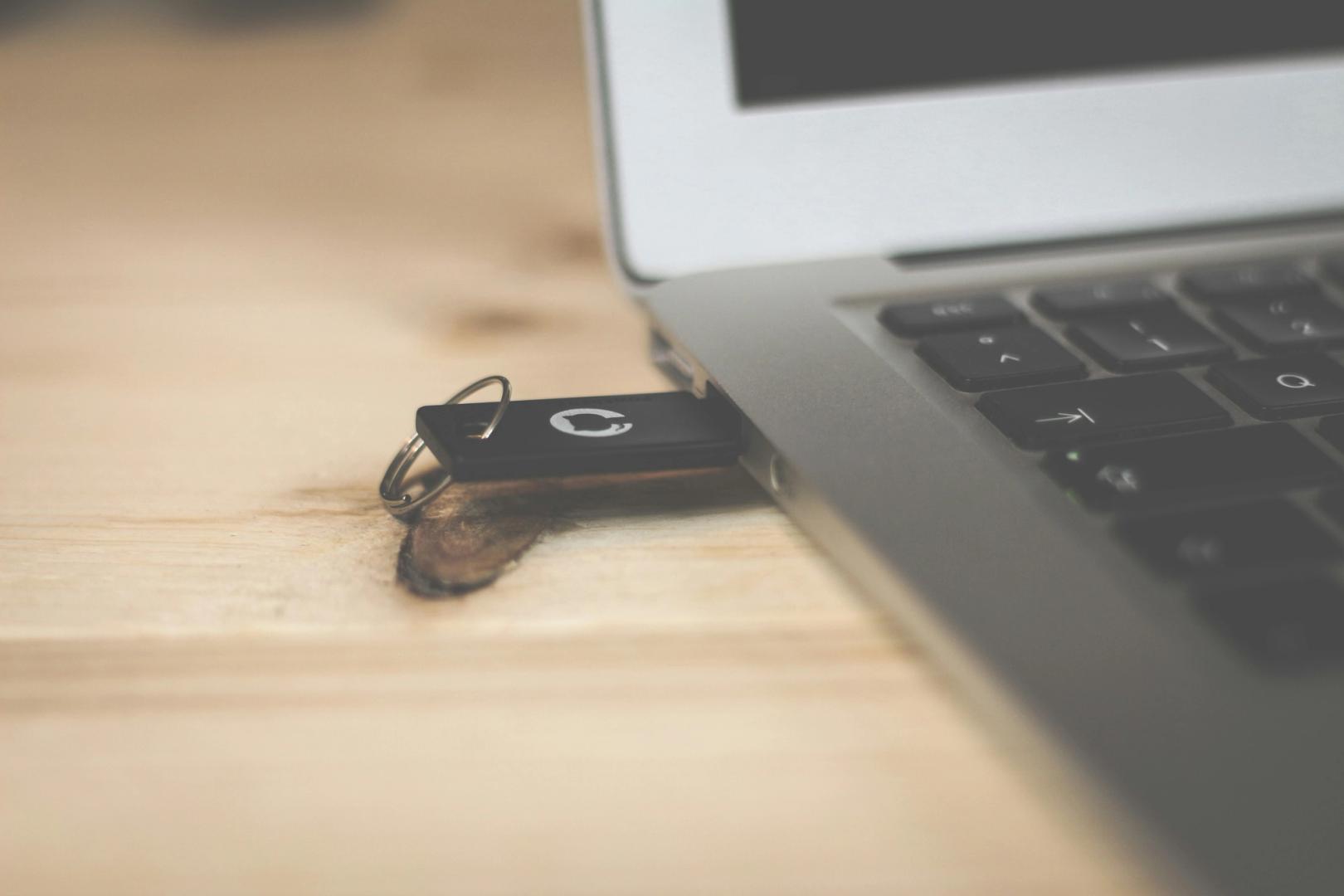
Microsoft identifies malware ‘worm’ that hijacks crypto wallets, spreads through USB drives
The software intercepts shortcut files and directs them to install a worm that harvests private keys from the Windows clipboard and inserts its own destination wallet addresses when it detects a transfer.
By Omkar Godbole|Edited by Sheldon Reback
Jun 19, 2026, 8:48 a.m.
Share this article

Summary
Malware that spreads via USB sticks has been infecting Windows personal computers and targeting crypto wallets since February, Microsoft said in a blog post.
The firm calls the malware a “crypto clipper”, and its Defender Antivirus identifies it as Trojan:Win32/CryptoBandits.
The process starts with an infected USB drive containing a malicious shortcut, or link, file. In Windows, shortcut filenames end in “.lnk” and direct the operating system to open a specific program, folder or file stored elsewhere on your computer.
When a user plugs in that drive and clicks the shortcut, a type of malware known as a “worm” is installed onto the PC. Once installed, it does two things: it constantly runs the actual crypto wallet-stealing code and simultaneously waits for a new, clean USB to be plugged into that same PC.
The wallet-stealing component monitors Windows’ clipboard, the hidden temporary memory used for copy-and-paste operations, roughly every 500 milliseconds. When a user copies a crypto wallet seed phrase or a private key for a Bitcoin or Ethereum wallet, the malware captures that data and sends it to the attacker’s server over the Tor network, an open-source overlay that provides anonymous communication. It also takes five screenshots, ten seconds apart, and sends those along too.
The risk doesn’t end there.
If a user copies a recipient address to send funds, the worm silently replaces it with an attacker-controlled address before the user pastes, so the transfer goes to the attacker without any visible cue.
Lastly, the worm propagates when a clean USB drive is plugged into the computer. It scans the clean USB drive for ordinary files, Word docs, Excel sheets and PDFs, replaces them with new shortcut files using the same names and infects the drive. Then the cycle continues.
Microsoft recommends disabling AutoRun for removable media, blocking .lnk file execution on USB drives via group policy and restricting script hosts such as wscript.exe and cscript.exe. Microsoft Defender customers can also run hunting queries to check for related activity, including connections to a local Tor proxy on port 9050.
Microsoft published a list of indicators of compromise, including file hashes and .onion domains used as command-and-control servers, for security teams to check their networks against.

- 1
- 2
- 3
- 4
- 5
- 6
- 7
- 8
- 9
Crypto for Advisors: Trading the bitcoin cycle
18 hours ago
- 10


In May, combined exchange volumes fell 3.45% to $4.41T; the lowest since September 2024. RWA perpetual futures volumes rose 10.4% against the trend, hitting a new all-time high.
Jun 15, 2026
In May, combined exchange volumes fell 3.45% to $4.41T; the lowest since September 2024. RWA perpetual futures volumes rose 10.4% against the trend, hitting a new all-time high.
Why it matters:
In May, combined exchange volumes fell 3.45% to $4.41T; the lowest since September 2024. RWA perpetual futures volumes rose 10.4% against the trend, hitting a new all-time high.