
BTC price analysis: Why a selloff in gold and silver is dragging bitcoin down
Bitcoin has long been lumped in with precious metals as a hedge against a weakening dollar. That trade is unwinding on a hawkish Fed, and bitcoin is falling alongside the metals it was supposed to rival.
By Shaurya Malwa|Edited by Aoyon Ashraf
Jun 27, 2026, 6:11 p.m.
Share this article

Summary
The ongoing artificial intelligence stock frenzy has pulled in capital from across the market, from traditional metals, considered the safest assets, to crypto, considered the riskiest.
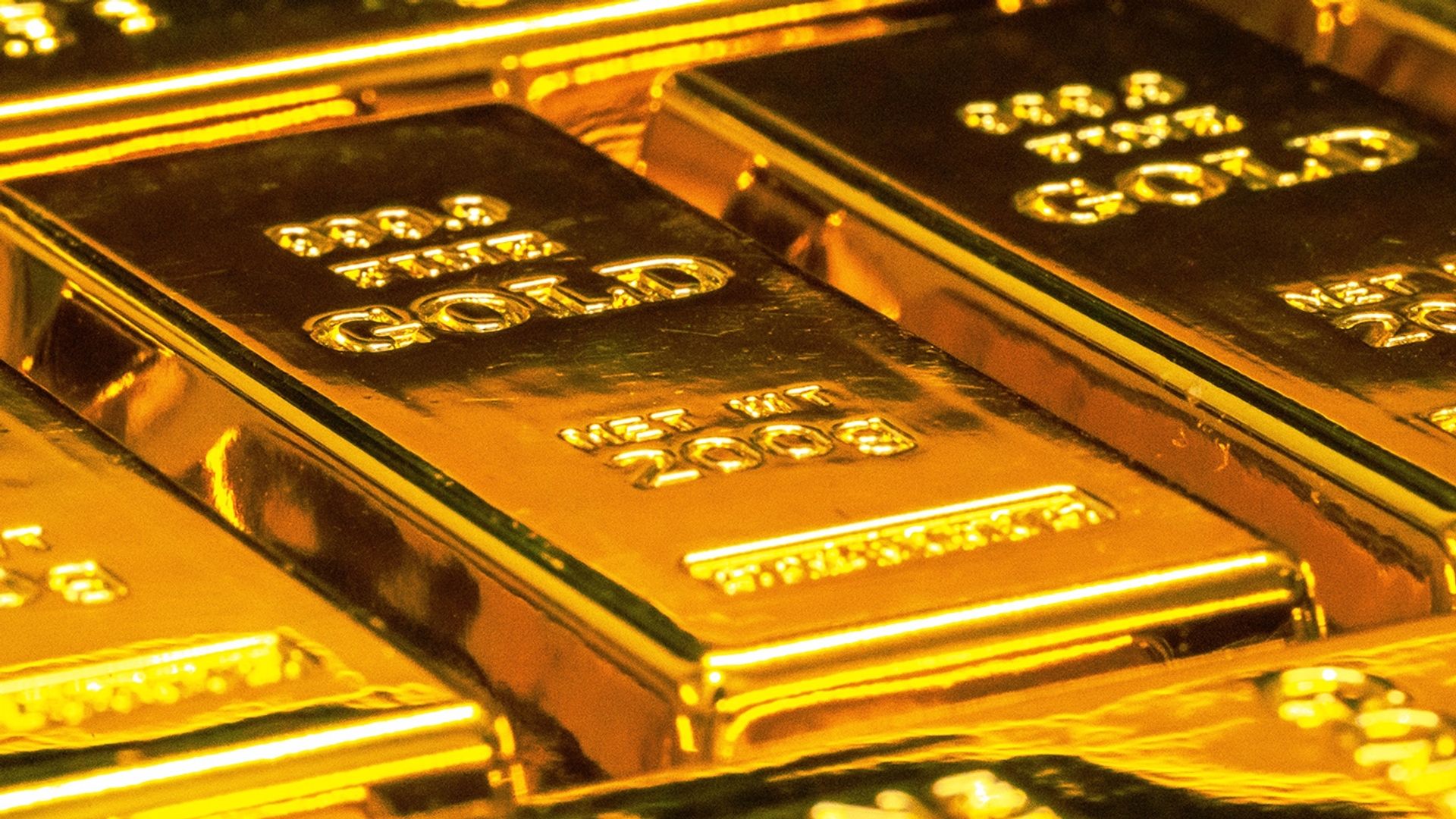
Gold dropped below $4,000 for the first time since November earlier this week, silver has lost more than half its value from its high, and bitcoin has slipped to nearly $58,000.
The three selloffs are not a coincidence. For much of the past two years, they have been, to a large degree, the same trade, and now the same forces are unwinding it.
That trade even has a name, the “debasement” trade. It is the bet that heavy government spending and rising national debt will slowly erode the value of paper money, which pushes investors toward scarce assets that no government can print more of.
Gold and silver are the oldest versions of that bet, while bitcoin, with a supply capped at 21 million coins, got marketed as the digital version. Through 2025, as the dollar looked vulnerable, money poured into all three, and they were treated as one basket.
What groups them on the way up also groups them on the way down. The new Federal Reserve chair, Kevin Warsh, struck a hawkish tone at his first meeting, and markets are now pricing two quarter-point rate hikes by March 2027, which would lift the Fed’s benchmark rate to 4.00% to 4.25%. The U.S. dollar has climbed 0.8% this week alone.
Both of those work directly against hard assets. Higher rates lift real yields, the return on safe assets like Treasuries after accounting for inflation, which raises the cost of holding gold, silver or bitcoin, none of which pay any yield.
A stronger dollar makes all three more expensive for buyers using other currencies. So when gold and silver fall, it is usually a signal that the macro regime has turned against this narrative.
Bitcoin’s place in the basket has always been awkward. Through most of 2025, as gold and silver rallied hard, bitcoin went sideways near $100,000. That divergence opened a question of whether it still belonged in the debasement trade at all, or whether its role as a hedge against currency dilution had faded.
But a rather uncomfortable occurrence now is that bitcoin lagged the metals on the way up, but is tracking them closely on the way down.
The scale of the reversal is large. Gold is down about 28% from its January 2025 record near $5,600, silver has fallen more than 50% from its high near $120, and bitcoin has dropped roughly 50% from its October peak. That move took bitcoin below its 200-week moving average, the average price over the past four years and a closely watched long-term floor, at about $60,000.
However, there is one bright spot for bitcoin holders, though it comes with a catch.
Since these ratios bottomed in February, bitcoin has actually outperformed both metals, gaining roughly 30% against gold and more than 55% against silver.
Bitcoin trades as two things at once, a speculative risk asset and a hard-money hedge, and right now, both readings point the same way. The debasement trade was the bull case that lifted it with gold and silver, but its unwind is the bear case pulling it back down with them.
As long as the Fed stays hawkish and the dollar stays firm, bitcoin will likely struggle to break away from the metals it has been compared to for years.

- 1
- 2
- 3
- 4
- 5
- 6
- 7
- 8
- 9
- 10


US equities on crypto rails: access is easy, on-chain composability is the real test. Only Binance and Backpack deliver both – and only Binance at scale.
Jun 26, 2026
US equities on crypto rails: access is easy, on-chain composability is the real test. Only Binance and Backpack deliver both – and only Binance at scale.
Why it matters:
US equities on crypto rails: access is easy, on-chain composability is the real test. Only Binance and Backpack deliver both – and only Binance at scale.