
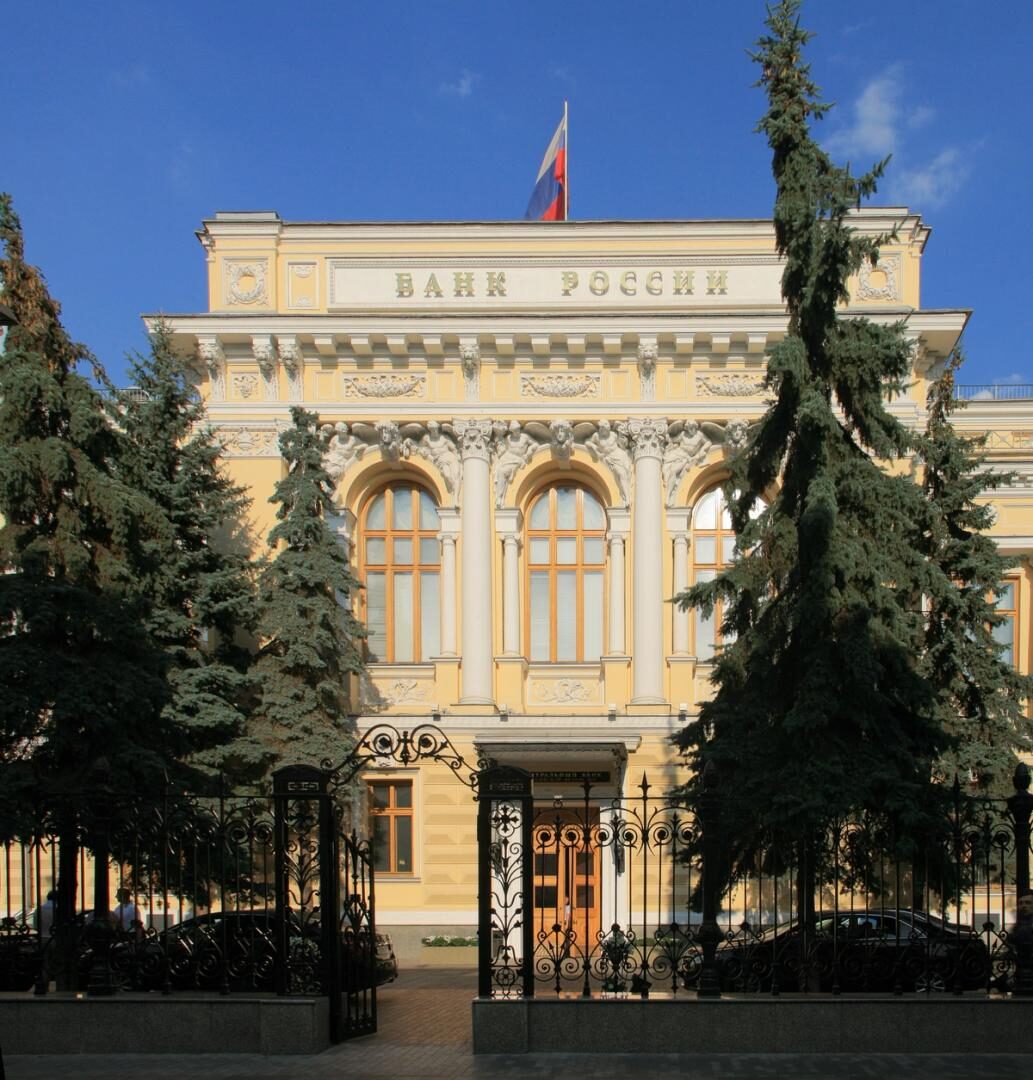
Russia opens crypto market to public with new rules set for 2026 implementation

-
News
-
Video
-
Consensus 2026
-
Data & Indices
Bank of Russia outlined a new framework intended to let retail and qualified investors buy crypto under defined tests and caps by 2027.
By Olivier Acuna, AI Boost|Edited by Nikhilesh De
Dec 23, 2025, 5:21 p.m.

- Russia’s central bank has proposed a framework to legalize and regulate cryptocurrency trading for individuals and institutions.
- The proposal allows ordinary citizens to buy and sell cryptocurrencies through regulated platforms, with limits for nonqualified investors.
- The framework supports broader use of Russian-issued digital financial assets and permits crypto purchases abroad with mandatory tax reporting.
Russia’s central bank laid out a proposed framework that would legalize and regulate cryptocurrency trading for both individuals and institutions, continuing its softening stance toward cryptocurrencies. However, it continues to caution that investing in crypto carries risks, including potential losses.
“They are not issued or guaranteed by any jurisdiction and are subject to increased volatility and sanctions risks,” the central bank’s press release said. “When deciding to invest in crypto assets, investors should understand that they assume the risk of potential loss of their funds.”
STORY CONTINUES BELOW
The central bank also said that “digital currencies and stablecoins are recognized as monetary assets; they can be bought and sold, but they cannot be used for domestic payments.”
According to the proposal, “digital currencies and stablecoins are recognized as monetary assets; they can be bought and sold, but they cannot be used for domestic payments”.
The proposal follows months of reporting showing Russia moving toward broader crypto access under regulated conditions. Officials had previously acknowledged widespread crypto use and weighed bank involvement. The shift also comes amid growing signs that major Russian financial institutions are planning or seeking approval to offer spot crypto trading under the new framework.
Under the proposal, ordinary Russian citizens would be able to buy and sell cryptocurrencies through regulated platforms. Nonqualified investors could purchase up to 300,000 rubles (about $3,300) worth of crypto per intermediary each year, provided they pass a risk‑awareness test. Qualified investors could trade without volume caps but would also face a knowledge assessment. Privacy-focused cryptocurrencies that conceal transaction data would remain prohibited.
The framework grants legal status to crypto services offered by Russia’s existing financial firms, including exchanges, brokers and asset managers, if they operate under current licenses. It also paves the way for new rules governing digital asset custodians and wallet providers.
The proposal would also permit Russian residents to purchase crypto abroad using foreign accounts and later transfer those holdings to licensed domestic platforms, with mandatory tax reporting requirements, a reversal from the Bank of Russia’s previous stance. It also supports broader use of Russian-issued digital financial assets (DFAs), including their circulation on public networks and potential access for foreign investors.
AI Disclaimer: Parts of this article were generated with the assistance from AI tools and reviewed by our editorial team to ensure accuracy and adherence to our standards. For more information, see CoinDesk’s full AI Policy.
More For You
Dec 19, 2025

L1 tokens broadly underperformed in 2025 despite a backdrop of regulatory and institutional wins. Explore the key trends defining ten major blockchains below.
What to know:
2025 was defined by a stark divergence: structural progress collided with stagnant price action. Institutional milestones were reached and TVL increased across most major ecosystems, yet the majority of large-cap Layer-1 tokens finished the year with negative or flat returns.
This report analyzes the structural decoupling between network usage and token performance. We examine 10 major blockchain ecosystems, exploring protocol versus application revenues, key ecosystem narratives, mechanics driving institutional adoption, and the trends to watch as we head into 2026.
More For You
By Olivier Acuna|Edited by Sheldon Reback
3 hours ago

Concerned that a CBDC will drain funds from traditional banks, regulators are considering caps on how much digital euro citizens can hold to ensure it’s purely for payments.
What to know:
- The Council of the European Union supports the European Central Bank’s plan for a digital euro, viewing it as an evolution of money and a tool for financial inclusion.
- Limits on digital euro holdings are proposed to prevent the central bank digital currency from competing with bank deposits and to avoid financial instability.
- Critics argue that these limits protect banks from competition and may restrict the digital euro’s potential usefulness.


-
Back to menu
-
Back to menu
Prices
-
Back to menu
-
Back to menu
Indices -
Back to menu
Research
-
Back to menu
Consensus 2026 -
Back to menu
Sponsored
-
Back to menu
-
Back to menu
Podcasts -
Back to menu
-
Back to menu
Webinars
Select Language