
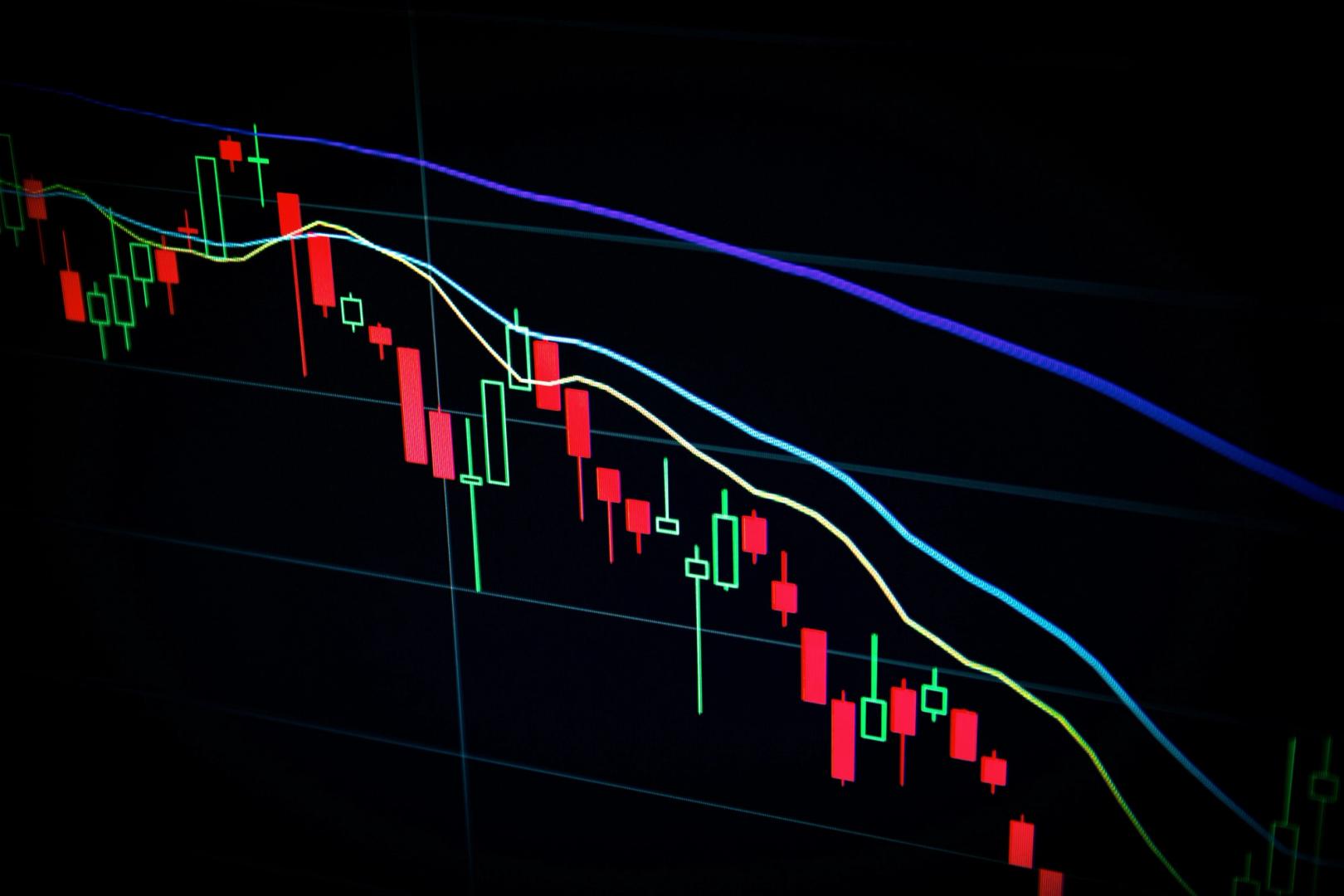
Bitcoin and ether exchange supplies hit historic lows but a rally isn’t guaranteed (
Santiment reported that bitcoin supply is at its lowest since 2017 and ether since 2015, adding that it doesn’t guarantee prices will move higher but helps set up crypto’s next bull cycle.
By Olivier Acuna|Edited by Omkar Godbole, Sheldon Reback
Jul 9, 2026, 8:43 a.m.
Share this article

Summary
One of bitcoin’s BTC$62,890.70 oldest and most enduring bullish signals is still making the rounds on social media even though it no longer carries the weight it once did.
For years, interpreting the amount of BTC held in wallets controlled by centralized exchanges has been straightforward. A declining balance means investors are withdrawing coins to self-custody. Fewer coins available for sale on exchanges should, in theory, reduce selling pressure and support prices. This read has been treated as reliably bullish since bitcoin’s early days and the narrative persists today, according to blockchain analytics firm Santiment.
“Historically, sustained drawdowns in exchange supply have preceded multi-quarter bull phases.” Mark Zalan, the CEO of GoMining, the world’s largest tokenized retail mining platform, said in an interview. He declined, however, to put a date on when the bull cycle will begin. “Anyone who tells a journalist they know the exact turn is guessing with confidence, not forecasting.”
The metric, however, no longer carries the weight that it used to, not least because supply has been low for months even as bitcoin has languished at around 50% of its peak value. The interpretation is outdated, some industry observers say, because it does not account for the rise in institutional custody. The financialization of bitcoin through alternative investment vehicles has changed the market in ways that make the indicator unreliable.
“People always used to look at low exchange supply as a clear bullish sign,” said Eneko Knorr, CEO of Stabolut, a multicurrency, yield-bearing stablecoin platform. “We’ve had this super-low supply for over a year now. The market grew up, and a lot of that crypto just moved somewhere else – like staking, DeFi protocols to earn some yield, or big institutional vaults.”
Santiment noted on X that the supply of BTC and ether (ETH) on exchanges has dropped to the lowest since 2017 and 2015, respectively, calling it one of the crypto’s “most encouraging signals for the long term.” According to Santiment’s chart, bitcoin’s exchange supply sits at 6.6% of its total circulating supply and ether’s at 4.3%.
“Bitcoin and ethereum are showing one of crypto’s most encouraging signals for the long term: coins are staying off exchanges,” Santiment said. “That means fewer coins are immediately available to sell, even after months of volatility.”
Because bitcoin and ether still dominate the crypto market, low supply at exchanges can help set up the next “sustained bull cycle,” the company said, though it cautioned the market is not there yet. The combined market capitalization of the two largest cryptocurrencies accounts for almost 66% of the total market, according to CoinGecko data.
Nowadays, though, bitcoin withdrawn from an exchange does not always end up in holders’ long-term cold storage. Some is converted to wrapped versions such as WBTC and moved to DeFi protocols. So, while exchange balances fall, the economic exposure remains active and liquid in decentralized markets, where it is traded, used as collateral or lent out.
A similar dynamic applies to spot bitcoin exchange-traded funds (ETFs). When investor demand rises, issuers buy bitcoin to create new shares, pulling coins from exchanges or OTC markets into institutional custodians such as Coinbase Custody, Fidelity Digital Assets and BitGo. While this reduces visible exchange reserves, the ETF shares themselves, representing liquid and regulated paper exposure to BTC, continue to trade actively on traditional stock exchanges.
The exchange balance metric and the reporting around the metric typically fails to account for this financialization of BTC. That’s a big miss, given the growing size of the ETFs. Coinglass data shows that U.S. spot bitcoin ETFs hold about $73 billion in net assets, representing more than 641,400 BTC. Ether ETFs hold about $13.7 billion, representing about 7.7 million ETH.
“The under-covered angle is that this metric is documenting the end of the exchange-custody era,” Ben Nadareski, CEO of Solstice, said. The bigger story may not be lower exchange balances themselves, but where those assets are moving to.
“Assets are leaving trading venues for two destinations: regulated custody on one side, productive onchain positions on the other,” he said.
Moreover, the argument that bull runs always follow a steady decline in exchange balance is not necessarily true. For instance, in 2022, the supply on exchanges remained low, yet prices crashed hard.
While the indicator may not be as dependable as before, it doesn’t change the fact that BTC is being accumulated by a variety of market participants in anticipation of a price increase.
“Over 130 public companies now hold bitcoin on their balance sheets, and spot ETFs have absorbed a growing share into regulated custody,” Zalan said.
According to Bitcoin Treasuries, public companies hold about 1,264,579 BTC, private ones 281,752, government entities 649,954, DeFi and other protocols 369,595, while ETFs and exchanges have 1,622,533. Its data also shows treasury companies hold about 7.252 million ETH.
Combined with nearly 7 million bitcoin in dormant wallets, a total of just under 11.2 million bitcoin sits outside active trade, which is about 56.5% of the currently circulating supply of roughly 20.05 million.
Related Assets

- 1
- 2
- 3
- 4
- 5
- 6
- 7
- 8
- 9
- 10


Stablecoin market cap fell to $312B in June, its largest monthly drop since TerraUSD, while tokenized equity volumes surged 145% to a record $3.86B.
Jul 7, 2026
Stablecoin market cap fell to $312B in June, its largest monthly drop since TerraUSD, while tokenized equity volumes surged 145% to a record $3.86B.
Why it matters:
Stablecoin market cap fell to $312B in June, its largest monthly drop since TerraUSD, while tokenized equity volumes surged 145% to a record $3.86B.