
ECB launches Pontes to bridge tokenized asset markets with Eurosystem payment infrastructure
The EU central bank’s new wholesale platform connects DLT market infrastructure to its payment rails, separate from the retail digital euro pilot planned for 2027.
By Olivier Acuna|Edited by Omkar Godbole
Share this article

Summary
The European Central Bank (ECB) launched Pontes on Monday, a platform that enables banks and other eligible financial institutions to settle tokenized-asset transactions in central-bank money.
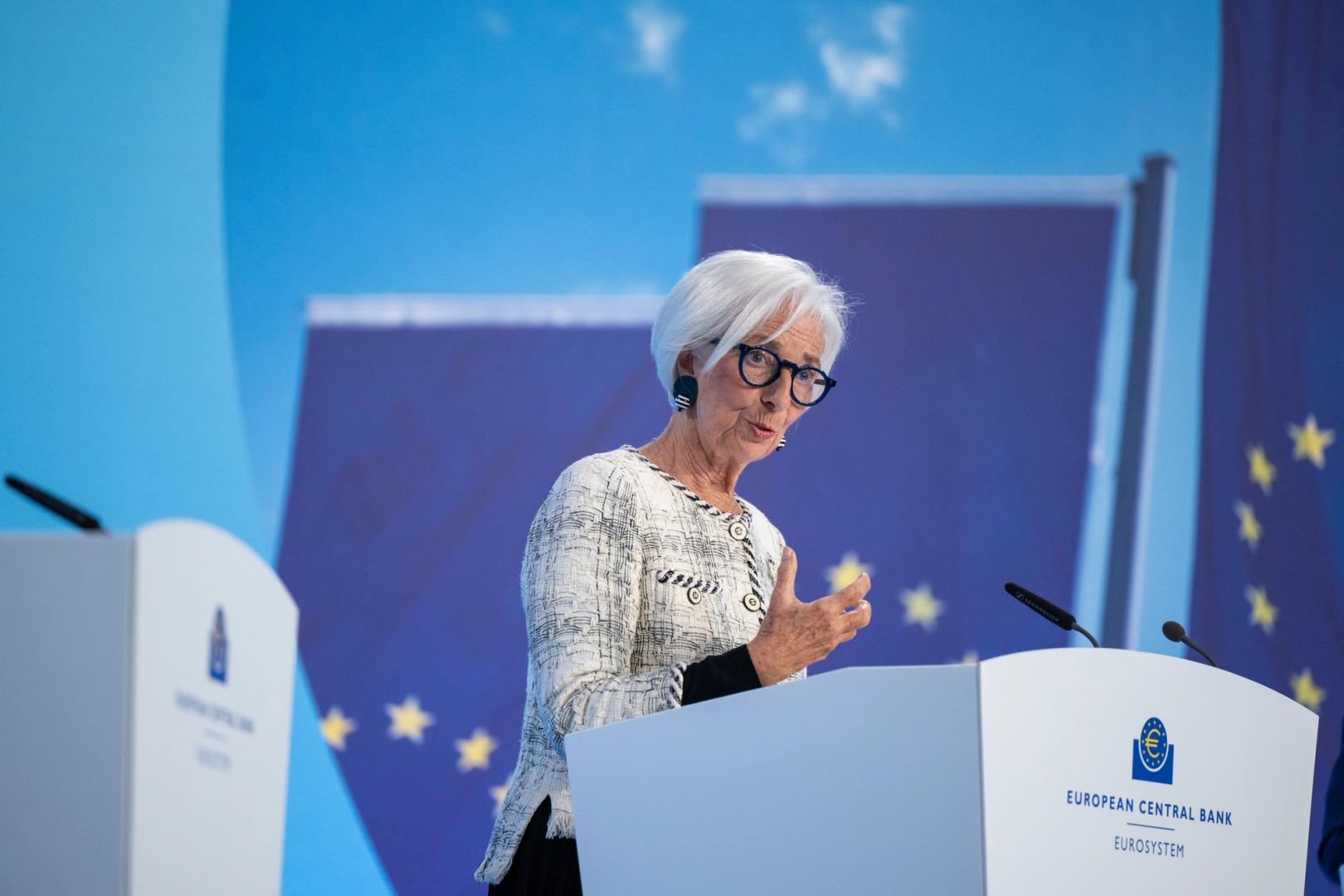
ECB President Christine Lagarde announced the go-live at a Eurogroup meeting on Friday.
“Now, Pontes is, to summarize it quickly for you, it’s a digital euro made available for banks so that they can transact amongst themselves using tokenized assets and distributed ledger technology,” said Lagarde during a Eurogroup summit on Friday.
Pontes links market distributed-ledger technology platforms to the Eurosystem’s TARGET Services, enabling participating banks to settle tokenized wholesale transactions in central-bank money. It will only be available to eligible financial institutions and market infrastructure providers.
Tokenized bonds, funds and other financial assets need a reliable way to settle the cash side of a trade. Pontes gives European institutions a central-bank-money option, rather than requiring them to rely solely on stablecoins or tokenized commercial-bank deposits.
The platform is part of the ECB’s broader effort to keep central-bank money at the core of Europe’s increasingly tokenized financial markets. The ECB has said Pontes will be developed in stages, alongside its longer-term Appia initiative for wholesale tokenization.
The retail digital euro remains a separate project. The ECB selected 36 banks and payment firms to join the one-year digital euro pilot in July. The pilot is slated to kick off in the second half of next year as it prepares the central bank digital currency (CBDC) for potential issuance in 2029.
The 12-month pilot will test a beta version of the digital euro across the ECB and 19 euro-area national central banks. It will cover online and offline transfers between individuals, in-store payments and e-commerce purchases. The ECB called for merchants to join the pilot last week.
While legislation enabling the digital euro is still being debated in the EU’s parliament, the central bank is pushing forward with the project because it sees adoption of private dollar-backed stablecoins such as Tether’s USDT and Circle Internet’s USDC as a threat to Europe’s monetary autonomy.
A digital euro will need enough places to spend it if consumers are to use it, making merchant acceptance a commercial question as much as a policy one, Isadora Arredondo, vice president of global policy at Hedera, told CoinDesk.

- 1
- 2
- 3
- 4
- 5
- 6
- 7
- 8
- 9
- 10


Sep 15, 2026
Why it matters:
As stablecoins move into regulated finance, APAC is becoming a key proving ground. This report maps the region’s rules, use cases, and RLUSD’s role.