
Inside the FBI’s under-the-radar crypto crime symposium
The Virtual Asset Technical Exchange brings together investigators, law enforcement officials, and crypto-security specialists to exchange intelligence on a wide range of crimes involving digital assets.
By Will Canny|Edited by Cheyenne Ligon
Share this article

Summary
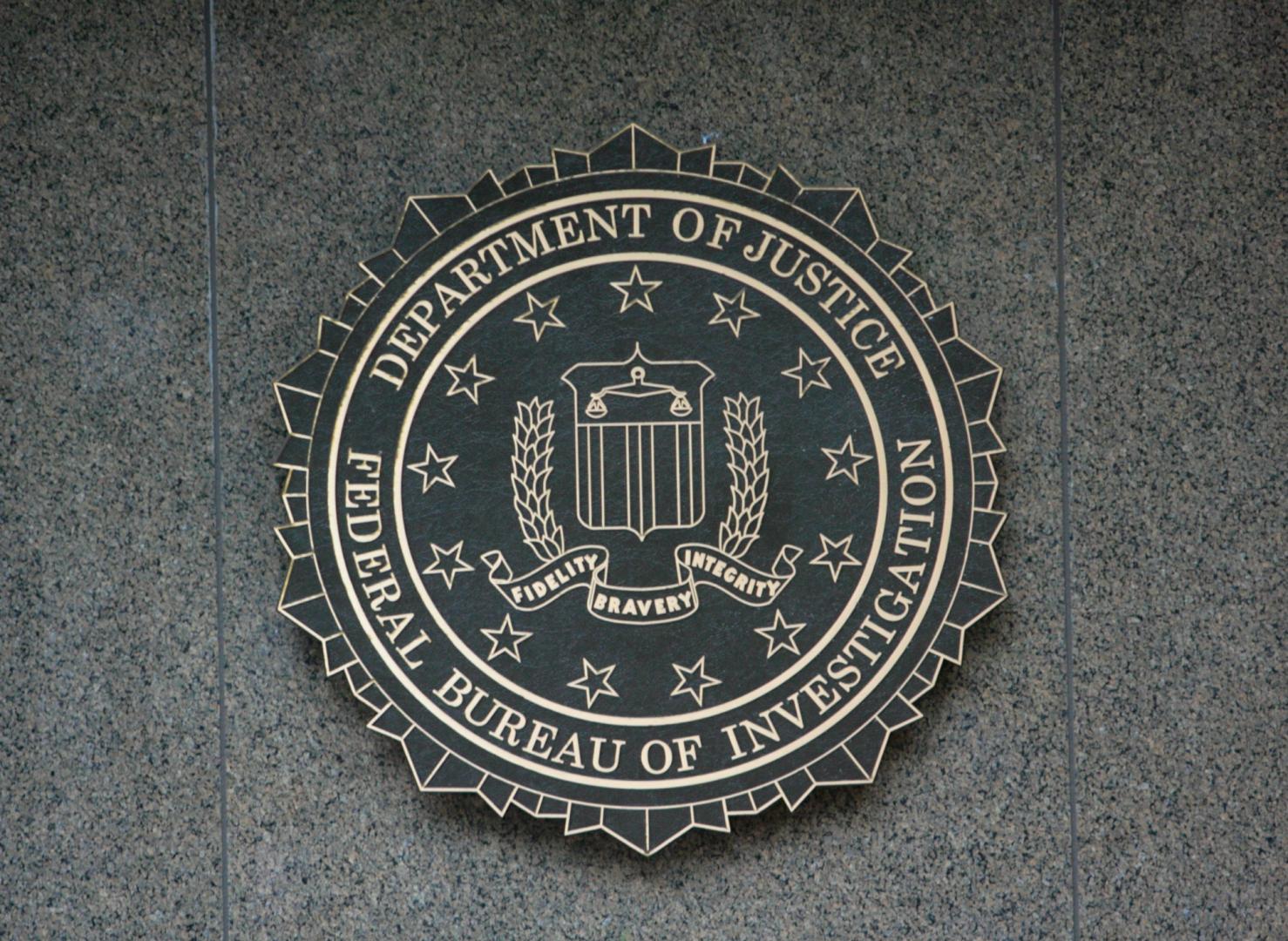
While the crypto industry’s biggest conferences compete for celebrity speakers and increasingly elaborate venues, the Federal Bureau of Investigation (FBI) has been quietly holding an annual gathering of its own.
The FBI’s Virtual Asset Technical Exchange, formerly known as the Virtual Currency Symposium, brings together law enforcement officials, overseas investigators and crypto-security professionals to exchange information on crypto crime, according to three previous attendees who spoke to CoinDesk.
Blockchain forensics firms, including Chainalysis and TRM Labs, are said to have attended this year’s event in September in San Antonio, Texas. Nikhil Raghuveera, co-founder and CEO of Predicate, a compliance infrastructure provider for blockchain-based financial products, gave a presentation on stablecoin compliance and GENIUS.
Representatives from the Security Alliance (SEAL), a nonprofit focused on protecting the crypto ecosystem from cyber threats, and the Financial Crimes Enforcement Network (FinCEN), the U.S. Treasury bureau responsible for combating money laundering and illicit finance, also attended, the people said.
The FBI and Chainalysis declined to comment. TRM confirmed attendance at the event. Predicate acknowledged that the company’s CEO presented at the conference.
The invitation-only symposium is capped at about 50 private-sector vendors and partners, with total attendance running into the hundreds, two of the people said. The program combines keynote speeches, panel discussions and fireside chats with networking opportunities. Companies also demonstrated their platforms in demo rooms.
Discussions covered the illicit use of virtual assets by cartels and in terrorist financing, cyber-enabled fraud, scams, child sexual abuse material, human trafficking and violent crime, including so-called wrench attacks. Attendees also examined emerging hacks, North Korean activity and ways for industry and law enforcement to share intelligence, according to a source familiar with the event.
Attendees range from senior FBI officials and frontline investigators to representatives of other U.S. agencies and overseas law enforcement partners.
“This is not a crypto event,” one of the attendees said. “It is a law enforcement event for law enforcement and the people they work with.”
The atmosphere at the Virtual Asset Technical Exchange differs markedly from industry conferences, with discussions centered on illicit finance, national security and investigations intended to produce arrests and asset seizures. Investigators discuss active threats, techniques for following funds and successful cases, the person added.
The government-funded symposium is now in its ninth year and has drawn several hundred attendees, two of the people said, who spoke on condition of anonymity.
Although the symposium is not secret, it has received little media attention. Its public footprint consists largely of occasional posts from attendees rather than prominent FBI announcements or the publicity campaigns typical of commercial crypto conferences.
A LinkedIn post published by Token Recovery executive Roman Bieda confirms that the 2024 symposium took place in Austin.
Bieda, attending for a third time, said it convened an international group of public and private-sector specialists to discuss threats including money laundering, ransomware, human trafficking and crypto-related scams. He did not respond to a request for comment by publication time.
The gathering was once weighted more heavily toward government agencies and public sector officials, according to one of the people who spoke to CoinDesk.
It has since expanded to include more representatives from the crypto industry, they added.
The focus is practical, aimed at informing attendees about emerging attack methods, what techniques are proving effective, and how North Korean operatives are targeting crypto companies.
A detailed presentation covered the Drift exploit, in which hackers gained administrative control and used a manipulated token as collateral to steal more than $270 million from the Solana-based decentralized exchange in April, the person added.
Unlike the polished venues and promotional atmosphere of major crypto gatherings, the FBI symposium is deliberately low-key, one of the attendees said. Its growing industry presence, however, reflects how closely law enforcement now depends on crypto companies, blockchain analysts and security researchers to identify attackers and trace stolen funds.
“It’s not flashy,” the person said. “It’s about understanding who is doing what, what the best practices are and what threats are coming next.”
Crypto activity tied to sanctioned states surged in 2025 as Russia, Iran and North Korea increasingly used digital assets to support state-backed financial and security operations. Sanctioned entities received 694% more crypto during the year, according to Chainalysis.
The agency established its Virtual Assets Unit in February 2022 as a central hub for the bureau’s cryptocurrency work, bringing together specialists from its criminal and cyber divisions to support investigations, analyze intelligence and trace illicit funds. The unit was created as the use of digital assets spread across crimes, including ransomware, child exploitation, murder-for-hire schemes and terrorist financing, according to an FBI announcement at the time.
The FBI was investigating virtual-asset cases prior to 2022 and has maintained a team focused on such investigations for roughly a decade, one of the people said.
“What’s good about the event is seeing how law enforcement is dealing with illicit activity. They take it very seriously,” an attendee said.

- 1
- 2
- 3
- 4
- 5
- 6
- 7
- 8
- 9
- 10


Sep 15, 2026
Why it matters:
As stablecoins move into regulated finance, APAC is becoming a key proving ground. This report maps the region’s rules, use cases, and RLUSD’s role.