
Nasdaq’s president says the SEC’s new crypto stance is letting markets ‘build’ again
Share this article
Nasdaq’s Tal Cohen said a friendlier SEC is giving crypto firms and exchanges room to experiment with tokenization and digital market infrastructure.
By Helene Braun|Edited by Nikhilesh De
May 6, 2026, 10:31 p.m. 2 min read

- Nasdaq President Tal Cohen said a more proactive and constructive stance from the SEC is giving market operators new freedom to experiment with blockchain infrastructure and tokenized assets.
- Cohen said Nasdaq is investing in “always on” market infrastructure, tokenization and artificial intelligence as it works to converge traditional financial rails with digital asset systems.
- He cited interoperability between legacy and digital platforms as a key hurdle, and said Nasdaq is testing AI-driven simulations of its matching engine to model stress scenarios and support longer trading hours.
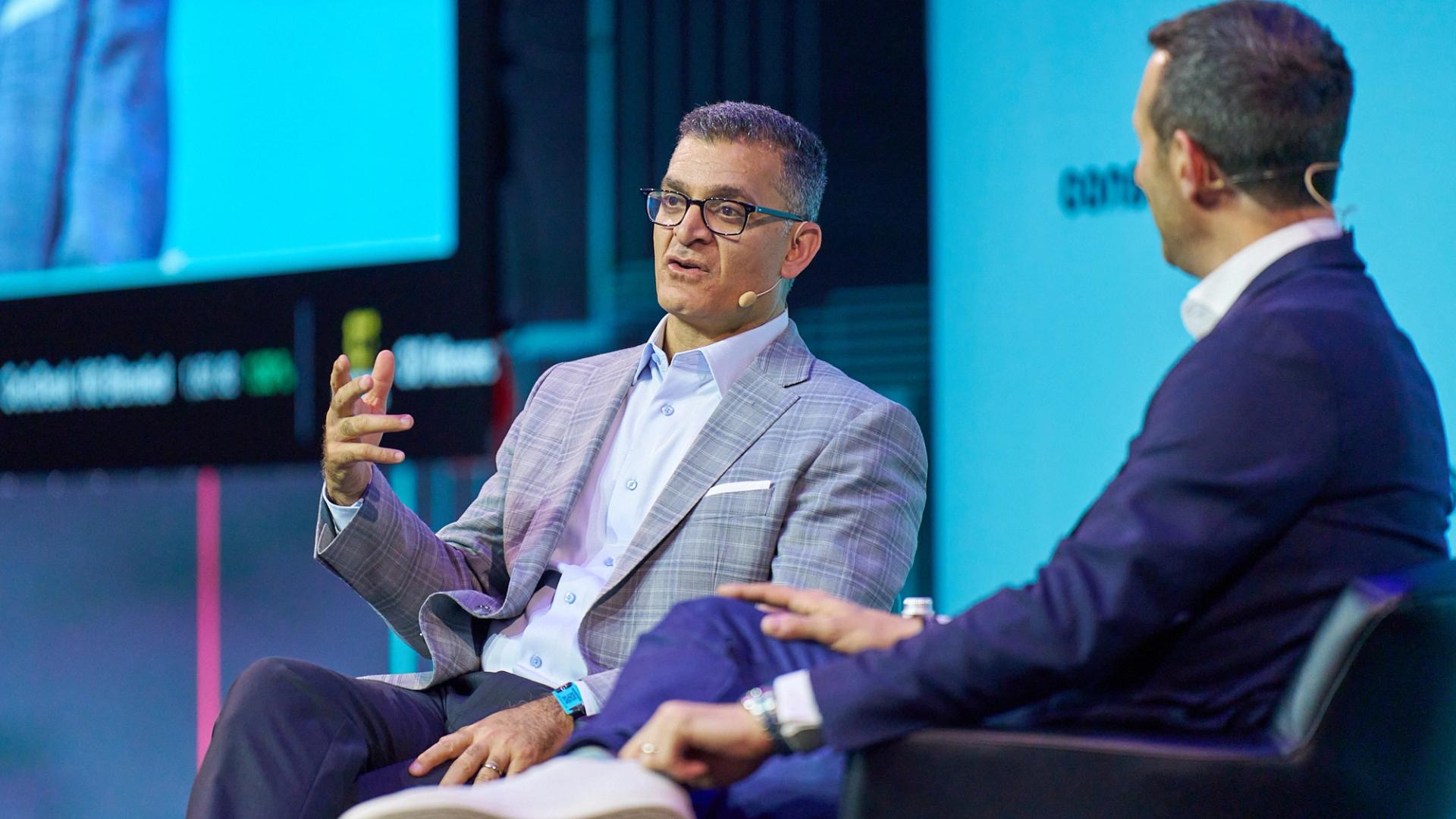
MIAMI BEACH, Fla. — Nasdaq President Tal Cohen said the U.S. Securities and Exchange Commission’s (SEC) changing approach to crypto regulation is giving market operators more room to experiment with blockchain-based infrastructure and tokenized assets.
Speaking at Consensus in Miami on Wednesday, Cohen said the industry now feels it can “build” again after years of regulatory uncertainty.
“The gray zone four years ago was a no-fly zone,” Cohen said. “The gray zone now is we can build. We can gain some scale. We can experiment without maybe any brush back.”
Cohen described a broader shift inside financial markets toward “always on” trading systems that operate nearly around the clock and move money, securities and collateral faster than traditional infrastructure.
Nasdaq, which provides trading technology to more than 130 markets globally, is investing in blockchain infrastructure, tokenization and artificial intelligence as part of that transition, Cohen said.
“We’re embracing two trends,” he said. “Always on market infrastructure” and “convergence” between traditional financial rails and digital asset systems.
Cohen said interoperability between those systems remains one of the largest hurdles for the industry. Firms do not want to operate separate infrastructures for traditional securities and tokenized assets, he said.
“Whether you’re in the existing world or you’re in the digital world, let me tell you, I’m bringing it all together for you so you get the benefits of both,” Cohen said.
He also pointed to a more collaborative stance from regulators.
“The SEC is much more constructive,” Cohen said. “It’s not even open mindedness. It’s a proactivity.”
Cohen said tokenization could eventually make assets easier to move, finance and trade while giving issuers better insight into shareholders.
“What it really does is take an asset and put it in motion,” he said.
Nasdaq is also testing AI systems designed to simulate trading activity in a digital replica of its matching engine. Cohen said the technology could help the exchange test market stress scenarios and improve software reliability as markets move toward extended trading hours.
More For You
By Jeffrey Albus|Edited by Jesse Hamilton
1 hour ago

White House digital-assets adviser Patrick Witt cited a recent exploit involving assets held by the U.S. Marshals as proof federal crypto holdings need safeguarding.
What to know:
- An announcement is coming “in the next few weeks” on what the White House calls the Strategic Bitcoin Reserve, according to Patrick Witt, executive director of the President’s Council of Advisors for Digital Assets.
- On a stage at Consensus Miami 2026, Witt cited a recent exploit involving digital assets held…


Top Stories


