
Russian security agents arrest over 20 in alleged crypto network linked to Ukraine
The FSB said at least 20 individuals were arrested in connection with a ring that scammed an undetermined number of Russian citizens.
By Olivier Acuna|Edited by Jamie Crawley
Aug 7, 2026, 2:04 p.m.
Share this article

Summary
Russia’s Federal Security Service (FSB) said Friday it detained more than 20 people it claims worked for unregistered crypto exchange offices used to move money stolen from Russian scam victims to Ukraine.
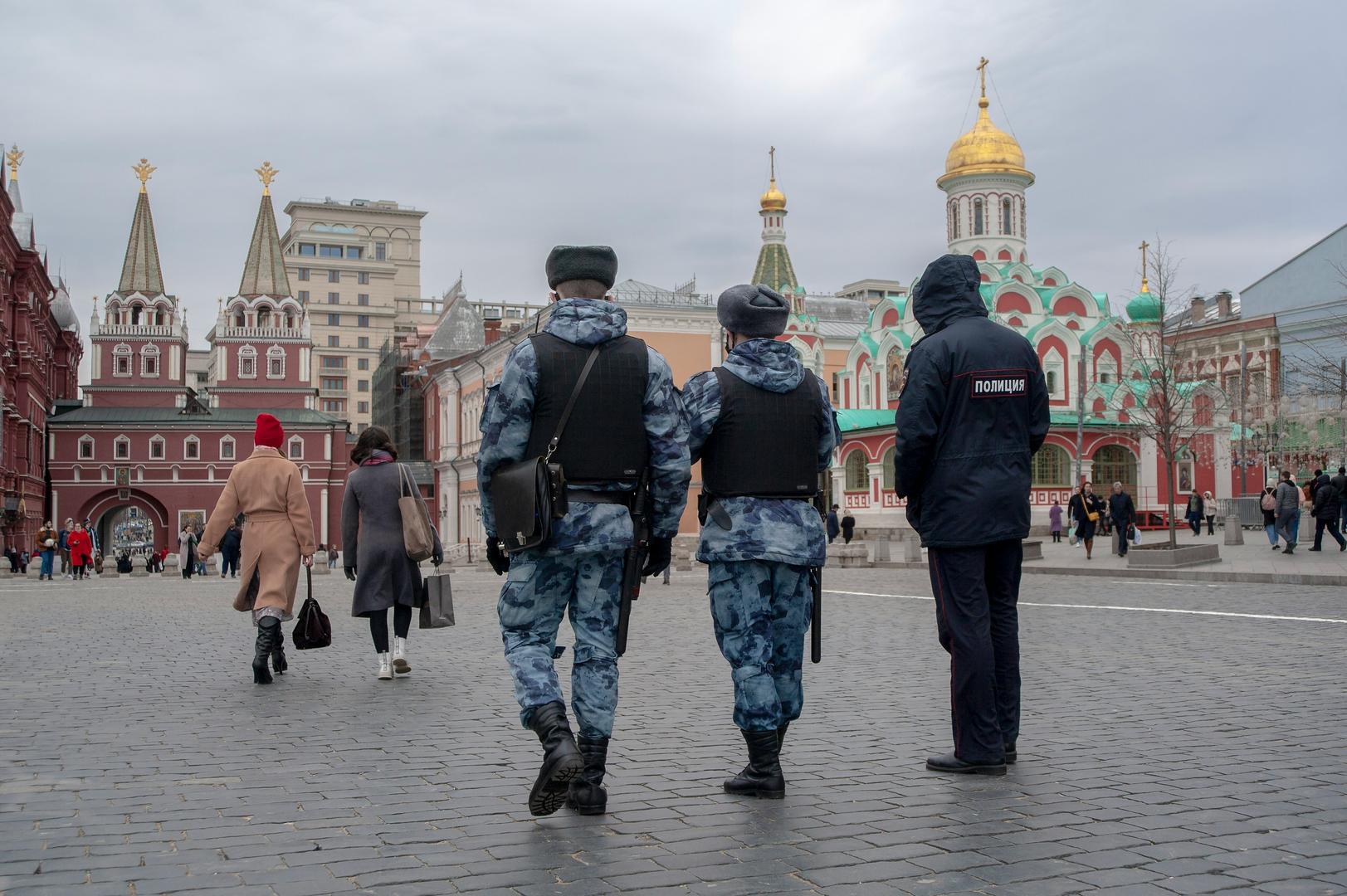
The arrests took place at Moscow City, the capital’s high-rise business district, the security agency said. It also said that the FSB and the Interior Ministry had shut down nine channels used to transfer funds abroad through cryptocurrency.
“Young people from the Russian regions who are looking for easy money are remotely recruited to work at these crypto exchanges despite having limited financial literacy,” the FSB said.
Authorities explained that the ring it busted relied on call centers in Ukraine that targeted Russians remotely, including pensioners. Victims were allegedly kept on the phone and told in detail how to proceed before being sent to the crypto exchange offices to buy crypto and transfer it to accounts controlled by the alleged criminals.
The agency did not identify the crypto exchanges or the cryptocurrencies used in the scams. It did not mention the amount of money stolen from Russian victims either. It also did not release evidence to support its claims that the operation was coordinated by Ukrainian call centers.
Russia banned Ukrainian-founded cryptocurrency exchange WhiteBit in January as part of what authorities in Moscow described as increasing efforts to crack down on firms they believe are funding Ukraine’s war effort.

- 1
- 2
- 3
- 4
- 5
- 6
- 7
- 8
- 9
- 10


Zcash’s Tachyon upgrade aims to scale shielded payments, improve quantum readiness, and test whether its funding, security, and governance can hold.
Jun 30, 2026
Zcash’s Tachyon upgrade aims to scale shielded payments, improve quantum readiness, and test whether its funding, security, and governance can hold.
Why it matters:
Zcash’s Tachyon upgrade aims to scale shielded payments, improve quantum readiness, and test whether its funding, security, and governance can hold.