Signs of life?: State of Crypto
Several sources told CoinDesk that a new draft of the Clarity Act may drop this week, but challenges remain.
By Nikhilesh De|Edited by Aoyon Ashraf
Jul 12, 2026, 6:30 p.m.
Share this article

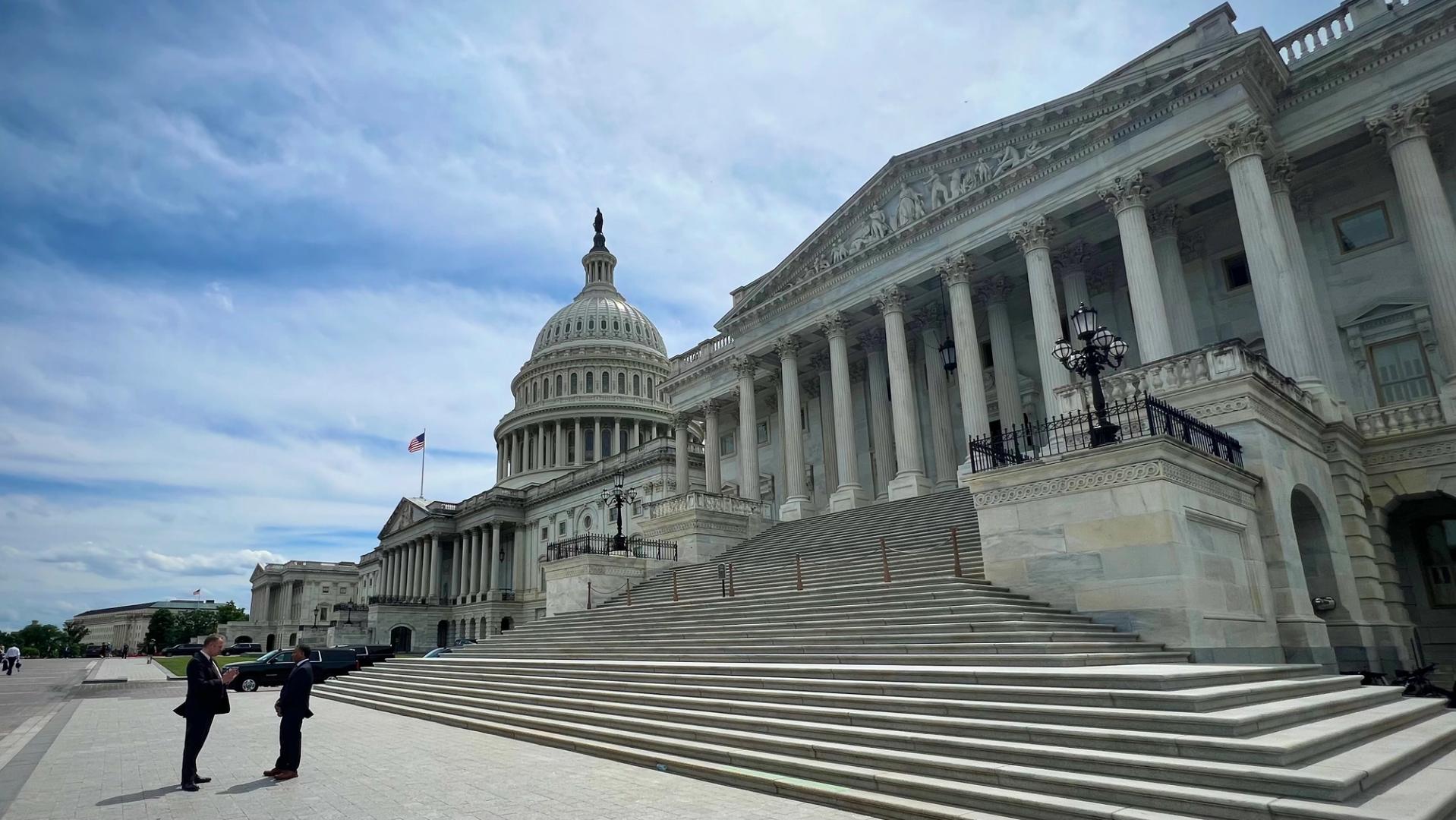
Rumors of the Digital Asset Market Clarity Act’s demise have been greatly exaggerated. The crypto industry isn’t out of the woods yet, however, for reasons we’ll get into.
You’re reading State of Crypto, a CoinDesk newsletter looking at the intersection of cryptocurrency and government. Click here to sign up for future editions.
The narrative
Multiple individuals familiar with the Clarity Act discussions told CoinDesk last Thursday that lawmakers intend to unveil an updated version of the crypto market structure bill this week. The new text combines the bills previously passed out of committee by the Senate Banking and Agriculture panels, and is the result of those respective bodies negotiating over various provisions.
Why it matters
As this newsletter and CoinDesk’s Jesse Hamilton have both pointed out repeatedly, time is running short for the Clarity Act to wind its way through Congress and to the president’s desk for a signature in 2026. A new draft being released could indicate progress, but if the key areas of disagreement haven’t been resolved, it won’t be as much progress as the industry hopes for.
Breaking it down
Last week, CoinDesk reported that individuals familiar with the Clarity Act negotiations expect a new draft of the bill to circulate this week. The updated bill text will combine the different versions from the Banking and Agriculture Committees and include some 70 additional pages, sources told CoinDesk. What it will not include, as of press time, is an ethics provision or agreements on some of the remaining contentious issues in the Clarity Act, meaning it’s not yet ready for a vote.
The rest of this newsletter is going to be conjecture and speculation. Senate Majority Leader John Thune told Punchbowl News last month he was willing to put the bill up for a floor vote in July. Rumors suggest the bill may go to the Senate floor during the week of July 20 or July 27.
If a vote is announced, there will likely be a full-court press to try and make sure it has at least 60 votes in the Senate, meaning at least seven Democrats will need to be willing to support the bill — more, if any Republicans vote against it or are unable to make it to the vote.
Expect organizations like Stand With Crypto to say they’ll score the vote, and the industry to make note of the hundreds of millions of dollars the crypto political action committees have on hand.
But the 2026 midterm election is coming up quite soon — Nov. 3, so less than four months from now — and lawmakers will have to face their own base and flanks after they break for the summer recess and go into the final campaign swing.
That means that U.S. President Donald Trump and the $1.4 billion he made off crypto will be a key factor in the floor vote. More specifically, if there isn’t an ethics provision, it’s unlikely that sufficient Democrats will vote for the bill in the Senate. If the text that drops next week doesn’t even include a placeholder to address the ethics portion, that may even be counterproductive to getting full bipartisan support for the bill, an individual said.
That means that Trump will still need to sign off on an ethics agreement. Several of the sources CoinDesk spoke to last week said the White House had not been as engaged recently as it had earlier in the summer, but another individual told CoinDesk in early July that it may just be a matter of waiting to see whether all the other outstanding issues are resolved first.
One bright side for the bill’s proponents: Assuming the President did not veto the housing bill sitting on his desk sometime between this newsletter’s filing and 12:00 a.m. on Saturday, a provision banning the Federal Reserve from issuing a central bank digital currency for at least four years will have taken effect. There was concern from industry players that House lawmakers might push to include a CBDC ban in Clarity if the Senate advanced the bill, which would further strain the negotiation process and timeline. But that issue should be resolved for now through at least until 2030, with the inclusion in the housing bill.
Tuesday
- 14:00 UTC (10:00 a.m. ET) Fed Chair Kevin Warsh will testify before the House Financial Services Committee.
Wednesday
- 13:30 UTC (9:30 a.m. ET) The Senate Select Committee on Intelligence will hold Jay Clayton’s nomination hearing for Director of National Intelligence.
- 14:00 UTC (10:00 a.m. ET) Fed Chair Kevin Warsh will testify before the Senate Banking Committee.
- 14:00 UTC (10:00 a.m. ET) The House Financial Services Committee will hold a hearing on the Consumer Financial Protection Bureau.
Thursday
- 14:00 UTC (10:00 a.m. ET) The Senate Banking Committee will hold a hearing on the Consumer Financial Protection Bureau.
Friday
- The House Financial Services Committee’s digital assets subcommittee will hold a hearing in New York on the Clarity Act.
If you’ve got thoughts or questions on what I should discuss next week or any other feedback you’d like to share, feel free to email me at nik@coindesk.com or find me on Bluesky @nikhileshde.bsky.social.
You can also join the group conversation on Telegram.
See ya’ll next week!
- 1
- 2
- 3
- 4
- 5
- 6
- 7
- 8
The UK has finally shown it’s serious about crypto
Jul 11, 2026
- 9
- 10
Digital assets posted a third consecutive quarter of losses in Q2 2026, the longest losing streak since the 2022 bear market, as institutional capital rotated into AI equities and Bitcoin ETFs recorded their largest quarterly outflow since launch. Our report examines what drove the divergence, where structural adoption continued regardless, and what Q3 signals to watch.
Jul 10, 2026
Digital assets posted a third consecutive quarter of losses in Q2 2026, the longest losing streak since the 2022 bear market, as institutional capital rotated into AI equities and Bitcoin ETFs recorded their largest quarterly outflow since launch. Our report examines what drove the divergence, where structural adoption continued regardless, and what Q3 signals to watch.
Why it matters:
Digital assets posted a third consecutive quarter of losses in Q2 2026, the longest losing streak since the 2022 bear market, as institutional capital rotated into AI equities and Bitcoin ETFs recorded their largest quarterly outflow since launch. Our report examines what drove the divergence, where structural adoption continued regardless, and what Q3 signals to watch.