The SEC meeting that wasn’t: State of Crypto
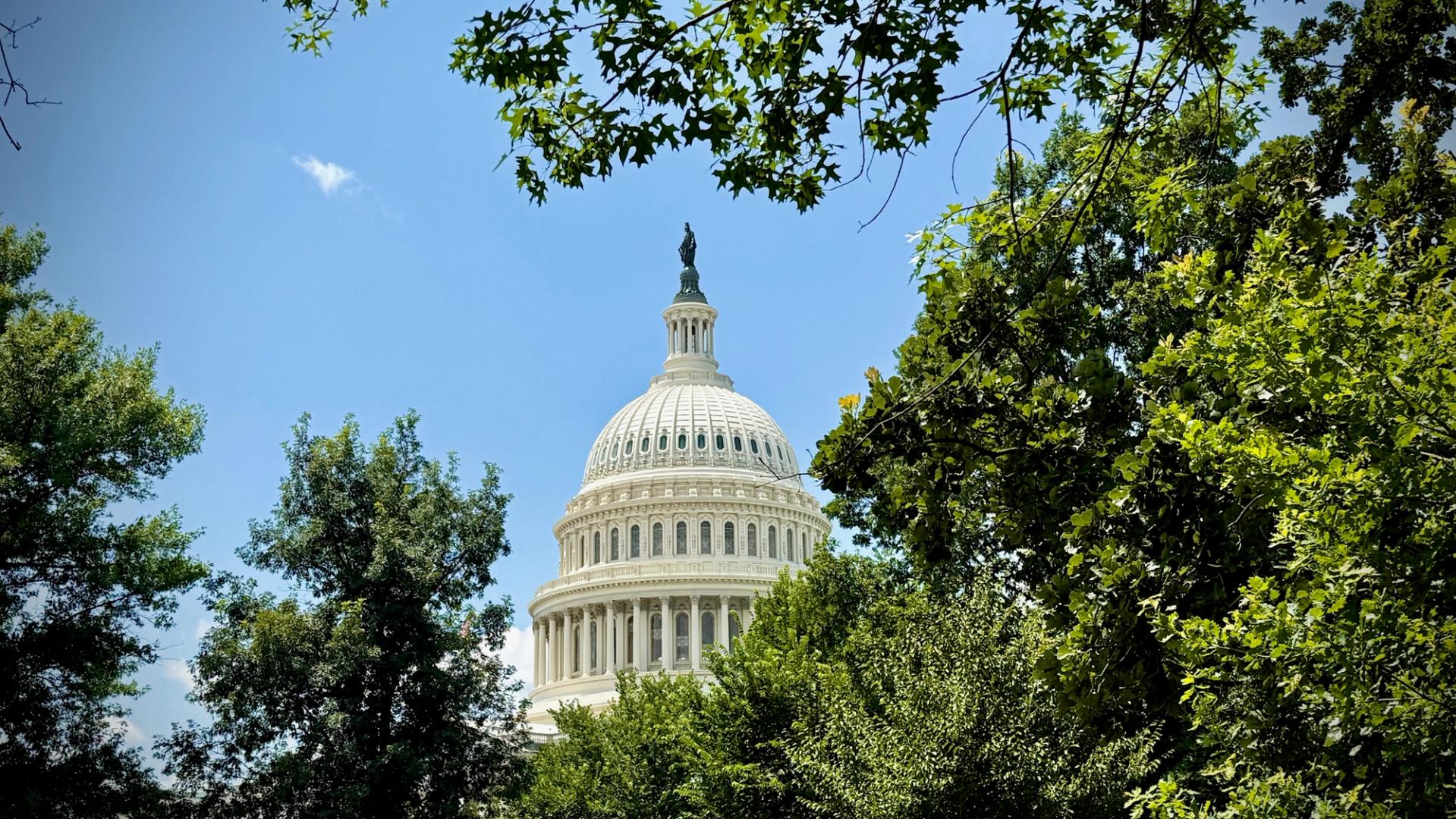
There were hopes that regulators could move if the Clarity Act didn’t advance, but those, too, may be paused.
By Nikhilesh De
Share this article

The U.S. Securities and Exchange Commission abruptly canceled a planned meeting last Friday where it was supposed to advance its Reg Crypto rulemaking and — separately — unveil its repeatedly delayed innovation exemption. The pause appears to be due to the Clarity Act.
You’re reading State of Crypto, a CoinDesk newsletter looking at the intersection of cryptocurrency and government. Click here to sign up for future editions.
The narrative
The U.S. Securities and Exchange Commission announced early last week it would hold an open meeting where commissioners would discuss its Reg Crypto proposal to lay out how companies could fundraise using tokens and eventually get out of SEC jurisdiction if they issue their own digital assets.
The SEC was also set to unveil at least part of its innovation exemption, industry sources told CoinDesk last week, which would address to some extent how security token issuers can handle underlying securities.
Neither of these happened.
Why it matters
Earlier this month, as it became clear that the Digital Asset Market Clarity Act would not receive a vote prior to the Senate’s August recess, industry participants suggested that if Congress didn’t act, regulators could. It wouldn’t be exactly the same; regulators’ actions could be challenged in court and will be easier to undo by a subsequent administration than legislation would be, but the argument is that entrenched regulations would be difficult to undo.
Breaking it down
That argument above presupposes that the SEC and CFTC are actually able to finalize proposed rules in time for them to kick around for a bit prior to a future SEC changing its mind.
But that isn’t guaranteed. The SEC announced late Thursday it was canceling its planned meeting and would reschedule at a later date.
CoinDesk and others also reported on Thursday that the SEC was holding off on rolling out its innovation exemption indefinitely.
Individuals familiar with the situation told CoinDesk that concerns about the Clarity Act led to the SEC’s postponement. The White House and lawmakers are specifically concerned that any SEC action could further complicate ongoing negotiations over the Clarity Act ahead of the Senate’s first vote on the legislation next month.
This suggests that we might not see any further action from the SEC until after the Senate breaks again in early October.
But timing becomes an issue here as well. The formal rulemaking process takes time; the SEC will solicit and incorporate public feedback on its proposals, publish revised proposed rules and ultimately finalize these rules. Then there will be an implementation period for companies to ensure they’re compliant with the regulations.
One industry source told CoinDesk that just the rulemaking phase could take close to a year, followed by another year for implementation. That brings the industry very close to the next presidential administration, which could make it easier to undo any final frameworks or regulations.
Wednesday
- The White House will host crypto CEOs ahead of their meeting at the CFTC.
Thursday
- 17:00 UTC (1:00 p.m. ET) The CFTC’s Innovation Advisory Committee will meet.
If you’ve got thoughts or questions on what I should discuss next week or any other feedback you’d like to share, feel free to email me at nik@coindesk.com or find me on Bluesky @nikhileshde.bsky.social.
You can also join the group conversation on Telegram.
See ya’ll next week!
- 1
- 2
- 3
- 4
- 5
- 6
- 7
- 8
- 9
- 10
Zcash’s Tachyon upgrade aims to scale shielded payments, improve quantum readiness, and test whether its funding, security, and governance can hold.
Jun 30, 2026
Zcash’s Tachyon upgrade aims to scale shielded payments, improve quantum readiness, and test whether its funding, security, and governance can hold.
Why it matters:
Zcash’s Tachyon upgrade aims to scale shielded payments, improve quantum readiness, and test whether its funding, security, and governance can hold.