
U.S. sanctions Iran-linked bitcoin insurance scheme for Strait of Hormuz ships
The Treasury Department said the Hormuz Safe platform accepted bitcoin and other digital assets as part of an alleged sanctions workaround tied to IRGC-backed shipping controls.
By Shaurya Malwa|Edited by Stephen Alpher
Jul 31, 2026, 11:58 a.m.
Share this article

Summary
The U.S. Treasury has sanctioned two Iranian firms behind a maritime insurance operation that accepted bitcoin, saying the scheme forced commercial vessels to buy coverage to pass through the Strait of Hormuz and funnelled the proceeds to the Islamic Revolutionary Guard Corps.
The Office of Foreign Assets Control designated the Persian Gulf Marine Insurance Company and HormuzSafe Marine Services Authority, known as Hormuz Safe.
Treasury described the arrangement as extortion rather than insurance, noting that the policies covered risks such as vessel seizures that “are overwhelmingly created by Iran itself.”
Hormuz Safe was developed by Iran’s Ministry of Economy and “accepts payment in Bitcoin and other digital assets as part of the regime’s attempts to bypass Western sanctions,” according to the Treasury statement.
CoinDesk reported the existence of the plan on May 18, based on state-linked Fars News accounts describing an economy ministry proposal to manage shipping through the Strait using bitcoin-settled marine insurance policies.
At the time the platform’s website showed only a landing page, and CoinDesk could not verify whether it was operational or whether any cargo owners had used it. Fars claimed at the time the model could generate more than $10 billion without explaining how it arrived at that figure.
The policies were approved by the Persian Gulf Strait Authority, an IRGC-backed body Treasury designated in May. Both firms were sanctioned under an executive order covering Iran’s petroleum and petrochemical sectors.
Designation means U.S. persons are barred from dealing with the two companies, and foreign firms that transact with them risk sanctions themselves. Payments in bitcoin carry the same exposure as payments through banks.
“With its economy in freefall and inflation in the triple digits, the regime is desperate for cash,” Treasury Secretary Scott Bessent said in the statement.
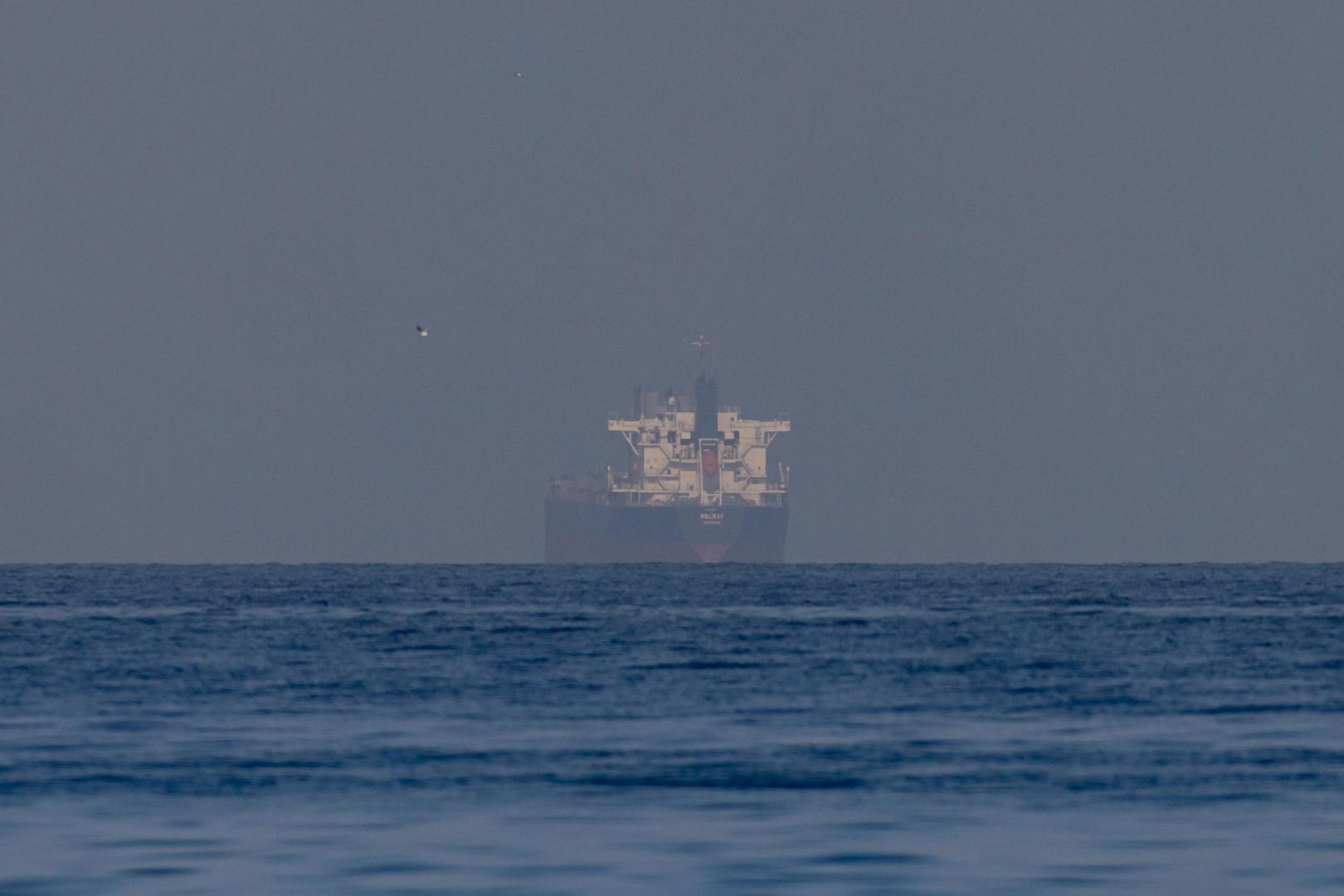
The Strait of Hormuz is one of the world’s most important energy chokepoints, and traffic through it has thinned during weeks of U.S. strikes on Iran that have kept oil prices elevated.

- 1
- 2
- 3
- 4
- 5
- 6
- 7
- 8
- 9
- 10


Anvil is a shared on-chain collateral layer built on a programmable letter of credit: reserve assets as a guarantee -no loan, no interest, keep custody & yield.
Jul 29, 2026
Anvil is a shared on-chain collateral layer built on a programmable letter of credit: reserve assets as a guarantee -no loan, no interest, keep custody & yield.
Why it matters:
Anvil is a shared on-chain collateral layer built on a programmable letter of credit: reserve assets as a guarantee -no loan, no interest, keep custody & yield.