
Eight years unlisted, Vault12 says SEC safe harbor still leaves exchanges exposed
Vault12 raised $17.45 million selling VGT in 2018 and says it met or dropped every promise, yet the token has never traded on a centralized exchange.
By Francisco Rodrigues, AI Boost|Edited by Jamie Crawley
Share this article

Summary
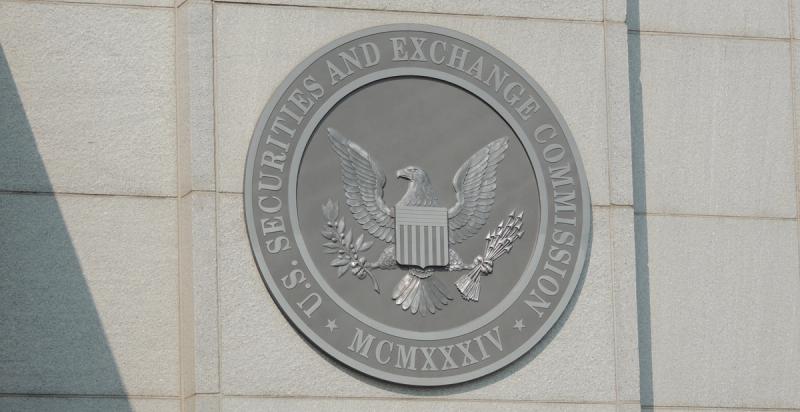
The issuer of a cryptocurrency token that has never traded on a major exchange has presented an early test of the U.S. Securities and Exchange Commission’s (SEC) proposed safe harbor framework.
Crypto wallet backup firm Vault12, backed by Winklevoss Capital and Naval Ravikant, warned that the SEC’s proposed token safe harbor could leave exchanges unwilling to list tokens because of the risk of a later regulatory challenge.
The safe harbor is part of the SEC’s Regulation Crypto Assets proposal, issued in August to establish conditions under which a token would no longer be subject to its original investment contract.
Vault 12 raised $17.45 million from 38 investors through agreements for future tokens in 2018 and detailed how Vault Guardian Token (VGT) has never traded on a centralized exchange, it said in in a comment letter on Tuesday.
The letter presents questions about the SEC’s proposed path for older crypto projects to move their tokens out of securities treatment.
Vault12 says its 2018 token sale fits that path almost exactly: it has fulfilled or formally abandoned every commitment in its white paper, yet its token has never been listed. Its concerns echo a comment letter from industry group The Digital Chamber, which Vault12 says it supports.
Exchanges Vault12 approached about listing VGT wanted assurance that the SEC would not later challenge the token’s status, according to the letter. The company argued that the proposed safe harbor does not provide enough certainty for them to proceed.
The SEC’s proposed Regulation Crypto Assets would create exemptions for token fundraising and a conditional safe harbor for ending an investment contract associated with a token. To use the safe harbor, issuers would have to complete or permanently stop promised essential managerial efforts, make no new such commitments and have no intention of doing so.
They would also file a transition report, known as Form TR, explaining their conclusion, according to the SEC’s proposal.
Vault12 said exchanges considering a VGT listing repeatedly raised the same question: “How do we know the SEC won’t later say VGT is still subject to the old investment contract?”
The SEC’s proposal says the agency could challenge whether an issuer met the safe harbor’s conditions. If a certification was inaccurate, the regulator could conclude that the investment contract had not ended and securities-law requirements continued to apply.
The proposal also says the safe harbor would not prevent other parties from asserting that a token was subject to an investment contract or was otherwise a security.
Vault12 suggested an alternative 60-day window for SEC objections, after which a properly filed certification would become conclusive for the agency, subject to exceptions including fraud or material misstatements.
AI Disclaimer: Parts of this article were generated with the assistance from AI tools and reviewed by our editorial team to ensure accuracy and adherence to our standards. For more information, see CoinDesk’s full AI Policy.

- 1
- 2
- 3
- 4
- 5
- 6
- 7
- 8
- 9
- 10


Sep 24, 2026
Why it matters:
Diversified RWA stablecoins sustain 5-7% yield from real credit as crypto funding compresses to ~4%. GENIUS pushes yield off-chain; TAM grows to $4B in 3 years.