
Bitcoin Magazine
The Future of Collecting: Alladan Flinn of Based Trading Cards on Cards, Community, and Culture
In February 2026, a single piece of cardboard sold for $16,492,000. The 1998 Pikachu Illustrator — the only known PSA 10 example of one of the rarest Pokémon cards in existence — was sold by Logan Paul through Goldin Auctions to A.J. Scaramucci, who called the purchase the first move in a “planetary treasure hunt” for the world’s rarest objects. It became the most expensive trading card ever sold at auction. Card collecting, long treated as a culture at the margins, is now impossible to ignore.
What’s new is what’s driving today’s prices: live-stream ripping has turned pack openings into spectator sport, auctions and secondary markets with advanced data-responsive metrics, new printing methods, and communities built around scarcity and authenticity are reshaping the category from first principles. It is, not by coincidence, the same vocabulary the bitcoin world has spoken for years — and the two cultures have begun to find each other.
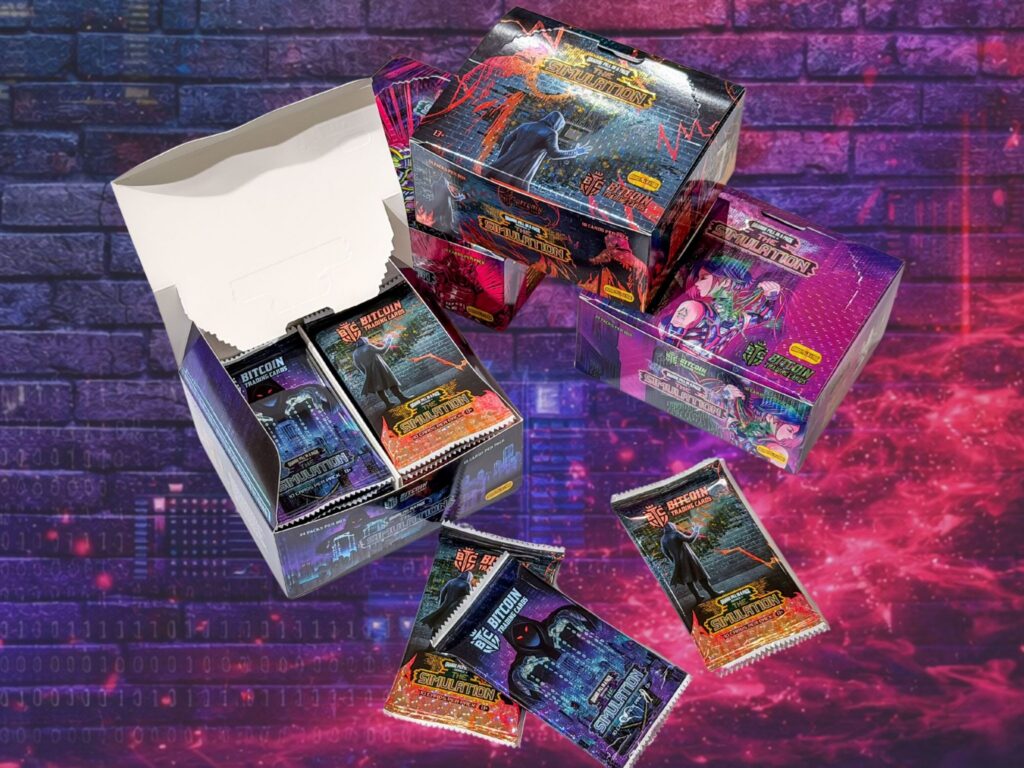
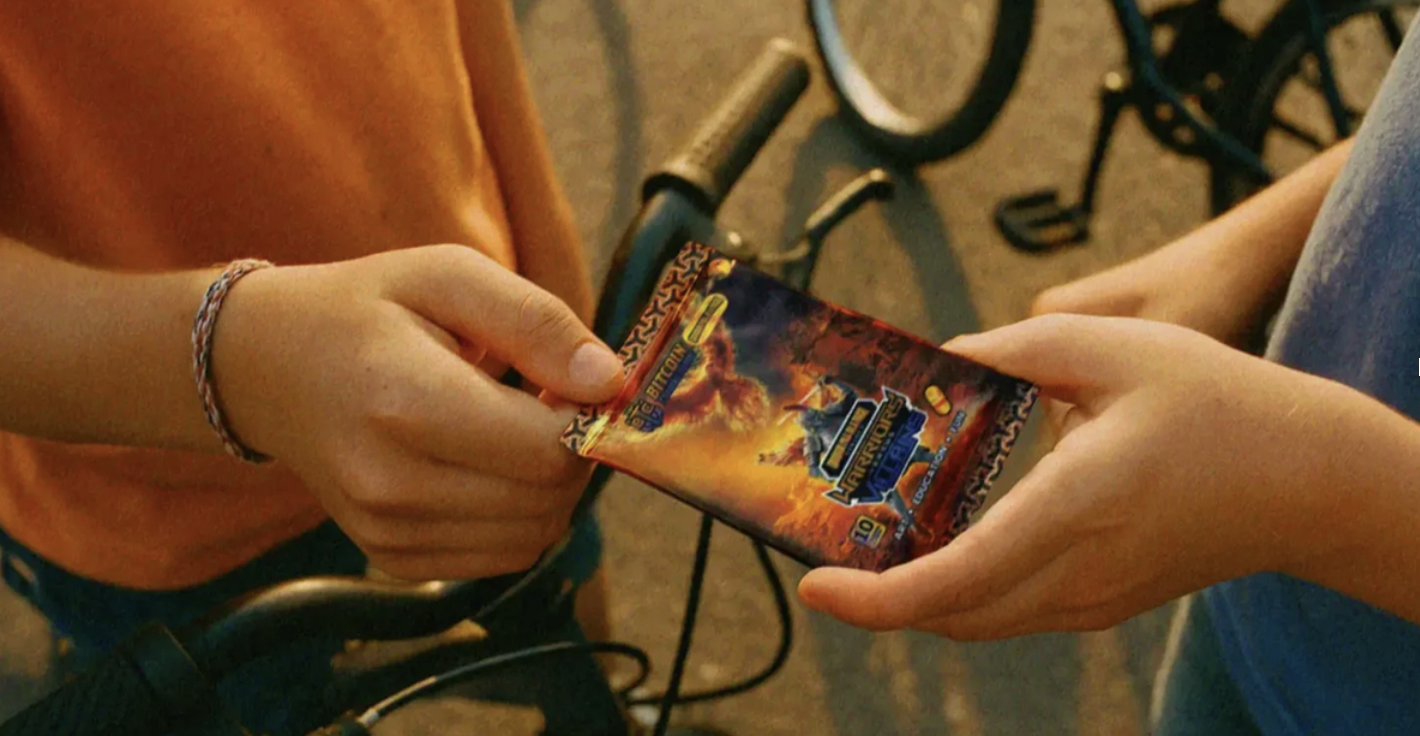
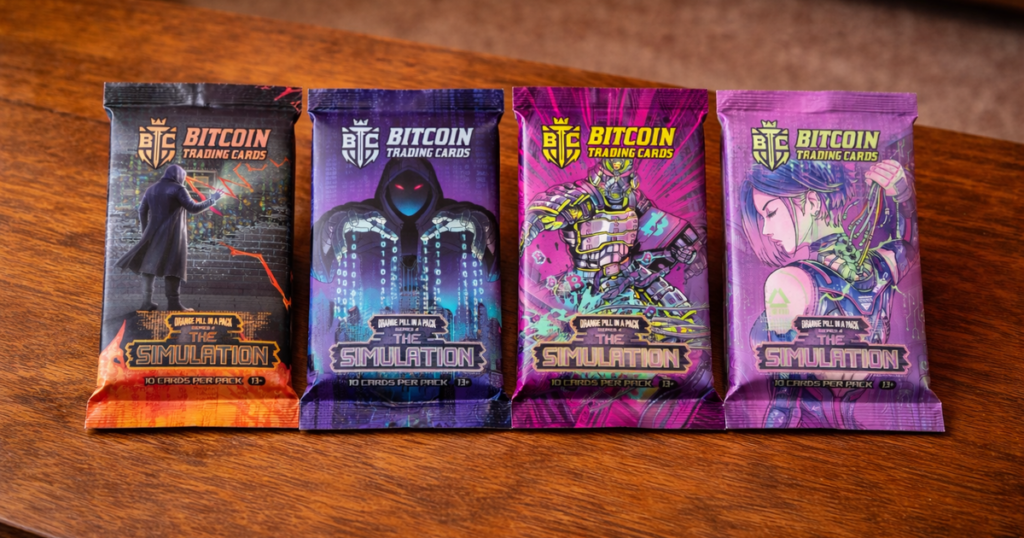
As a lifelong creator and entrepreneur, Alladan Flinn grew up tearing open packs of Marvel cards and inventing characters of his own. When NFTs got marketed as collectibles while lacking the scarcity of physical cards, he built what he saw as missing: launched in late 2022 and known both as Based Trading Cards and Bitcoin Trading Cards, his company makes limited, serialized cards designed to teach the principles of sound money and decentralization.
I sat down with Alladan to talk about where this is headed; community-driven commerce, the blurring line between physical and digital ownership, and why bitcoiners keep reaching for trading cards to carry the history of the movement.
BMAG: The trading card industry has changed dramatically over the past five years. What are the biggest trends you’re seeing in 2026 that collectors may not have noticed yet? Do you think the market is putting a new premium on verifiable scarcity and authentication—and why so much change now?
Over the past five years, we’ve seen the industry explode, cool off, and now surge right back to the all-time highs we are in today. A huge driver of this is people simply looking for genuine community—they want those personal interactions with others who share their hobby. But at the same time, people are extremely worried about the broader economy. Because the trading card economy continues to rise, many are looking at the hobby as an alternative investment or even a potential lottery ticket. As for a new premium on verifiable scarcity and authentication, I don’t think there is a massive, market-wide callout for it just yet. However, we are seeing key influencers start to take a stance and ask companies to do better. This is definitely a growing trend right now, but we are just getting started. I believe there will be a lot more to come on this front, especially as the market eventually starts to dip.
BMAG: As a company founder, you’ve built a strong community around Based Trading Cards and its releases. How important is community engagement compared to traditional marketing in today’s collector landscape?
Right now, the indie card space is wild. On one hand, off-the-shelf printing tech like eufyMake is empowering creators to bypass traditional gatekeepers, which is a beautifully decentralized concept. On the other hand, it’s creating a lot of high-time-preference noise. While printing cards at home is a great way to produce art for collectors, it puts a massive risk on transparency and quick pop-up money grabs that can easily reprint cards and inflate their supply. This introduces real opportunities for counterfeits and rug pulls, meaning we are definitely in the danger zone of a hype cycle. There are so many new brands popping up using AI-generated artwork and relying on influencer hype rather than putting in the hard work to craft a meaningful story. Print-on-demand sets knocked out overnight are a warning sign that we might be hitting a top. Ultimately, these physical art collectibles only become truly valuable when they archive a story that outlasts the current trend. Brands that are doing the work, ensuring top-notch quality and honoring a deep, globally recognized narrative, the way One Piece does, are the ones that will thrive. The rest will wash out when the hype fades.
BMAG: What types of collectors are entering the space today, and how are they different from collectors who entered during previous generations?
The collector base right now is split between raw hype and seasoned experience. We have a huge influx of new people who run straight toward the loudest trend, easily falling for gimmicks because they haven’t developed a filter yet. In this hobby, just like in crypto, you usually have to live through a painful bear market before you stop buying the hype and start looking at the actual underlying value. The saving grace right now is that old collectors are returning to the space completely reinvigorated. They already know these lessons, and they are stepping up to mentor the newcomers. Every all-time high brings noise, but the return of legacy collectors is what gives the space its real foundation.
BMAG: Looking ahead, what innovations or changes do you think will have the biggest impact on the trading card industry over the next three to five years? Do you see physical cards and digital ownership converging, and what would that mean for collectors?
The real innovation over the next few years is going to come down to what can actually be achieved on cardboard. It is about how far you can stretch the medium and turn a physical card into a true work of art through complex layers of embellishments and advanced printing techniques. I also expect a major push toward the digital side, but I do not think NFTs will be the bridge that connects the physical and digital worlds. Instead, I see augmented reality taking over. The digital layer shouldn’t be about artificially inflating the financial value of the card. It should be about utility, giving collectors new ways to play, interact, and gamify their collections. At the end of the day, the fundamental value will always be anchored to the physical product itself. AR will simply be the tool that lets us experience that physical art in a completely new dimension.
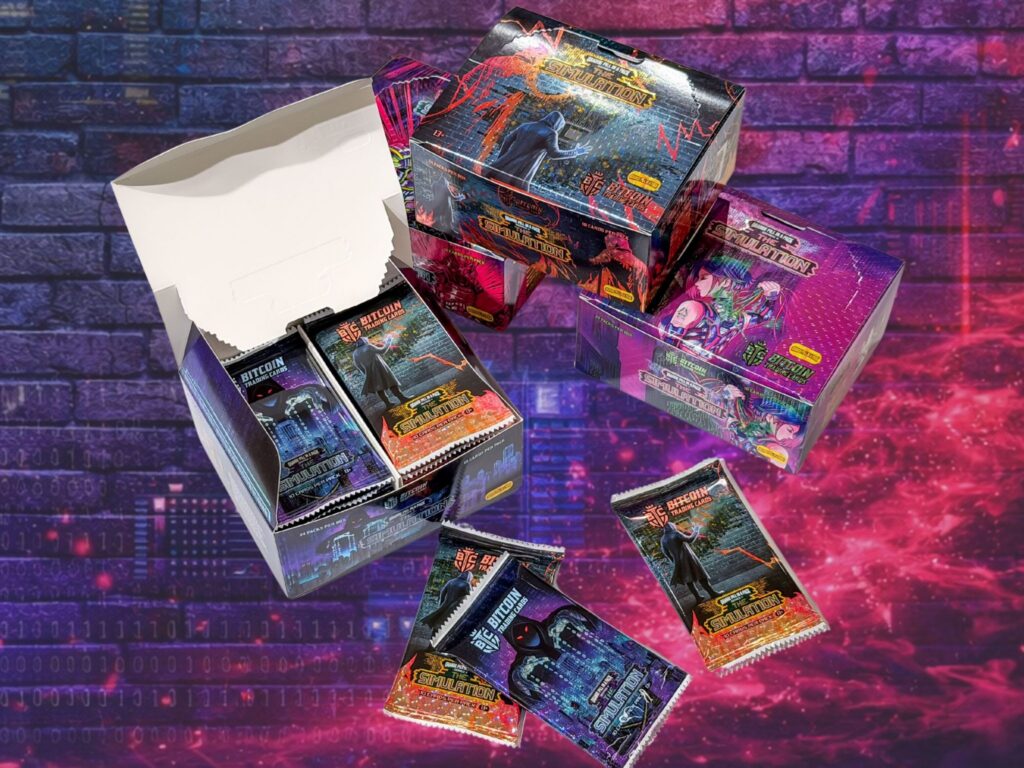
BMAG: Based Trading Cards has successfully merged bitcoin-culture with physical collectibles. Why do you think bitcoin enthusiasts have embraced trading cards as a way to celebrate and preserve the history of the movement—and where do you see that intersection heading?
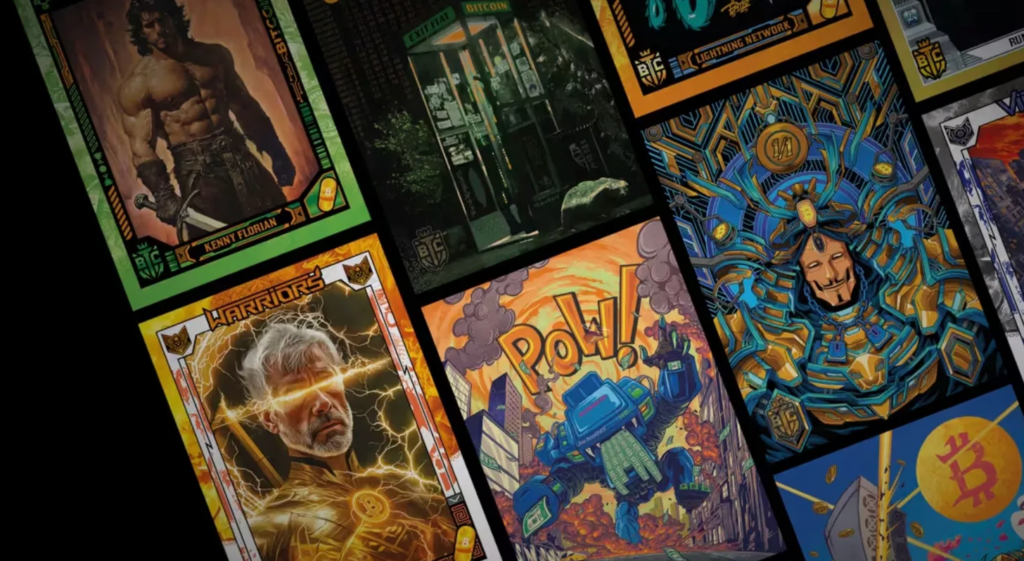
Our success stems from the fact that we took the time to build a solid foundation. We did not jump out with any gimmicks or try to manufacture artificial hype around the cards. Instead, we took our time and let trust, transparency, and true scarcity be the driving force, applying the exact same low time preference ethos that defines Bitcoin itself. There is real proof of work in every card we produce. When we feature pioneers like Michael Saylor or Adam Back, we are not just using their likeness for a quick trend; we actually get their explicit permission and blessing to create these trading cards. This hobby is the perfect medium because it acts as a physical timestamp. A card proves you were there during the bull market and the bear market, weathering the highs and lows. It proves you were at the conferences and that you stayed when the tourists left. It is a tactile way to preserve the history of Bitcoin that can be collected and shared among friends and family, capturing the people, the books, the companies, and the artists together as a collective community.
Find the full Based Trading Cards collection and upcoming releases on their website, and follow @based_cards for drop announcements, community events, and artist features.
The BMAG Card Expo at Bitcoin Asia brings a full trading card floor to Hong Kong this August 27–28 at the Hong Kong Convention and Exhibition Centre. Expect card vendors, TCG tournaments, on-site grading, and a museum-grade centerpiece on public display. Vendors and sponsors can find table and partnership details here.
Card enthusiasts headed to Bitcoin Aisa can use code BMAGHK for a discount on tickets.
This post The Future of Collecting: Alladan Flinn of Based Trading Cards on Cards, Community, and Culture first appeared on Bitcoin Magazine and is written by Dennis Koch.