
Crypto Clarity Act barrels toward disappointment barring last-minute Senate turnaround
As the parties dig in their heels, the market structure bill hasn’t yet amassed the votes it would need to clear the first Senate hurdle scheduled for Tuesday.
By Jesse Hamilton, Nikhilesh De
Updated Published
Share this article
Summary
The U.S. Senate hasn’t yet locked down enough support for the Digital Asset Market Clarity Act to move toward passage as the clock ticks toward a planned Tuesday afternoon opening vote, with both Republicans and Democrats expressing frustrations with the other side’s position.
Republican lawmakers released a version of the crypto market-structure legislation over the weekend and declared it their final offer. But the compromise efforts they added to the key sections of the bill were met Monday with a counter offer from Democrats that’s similarly fallen flat.
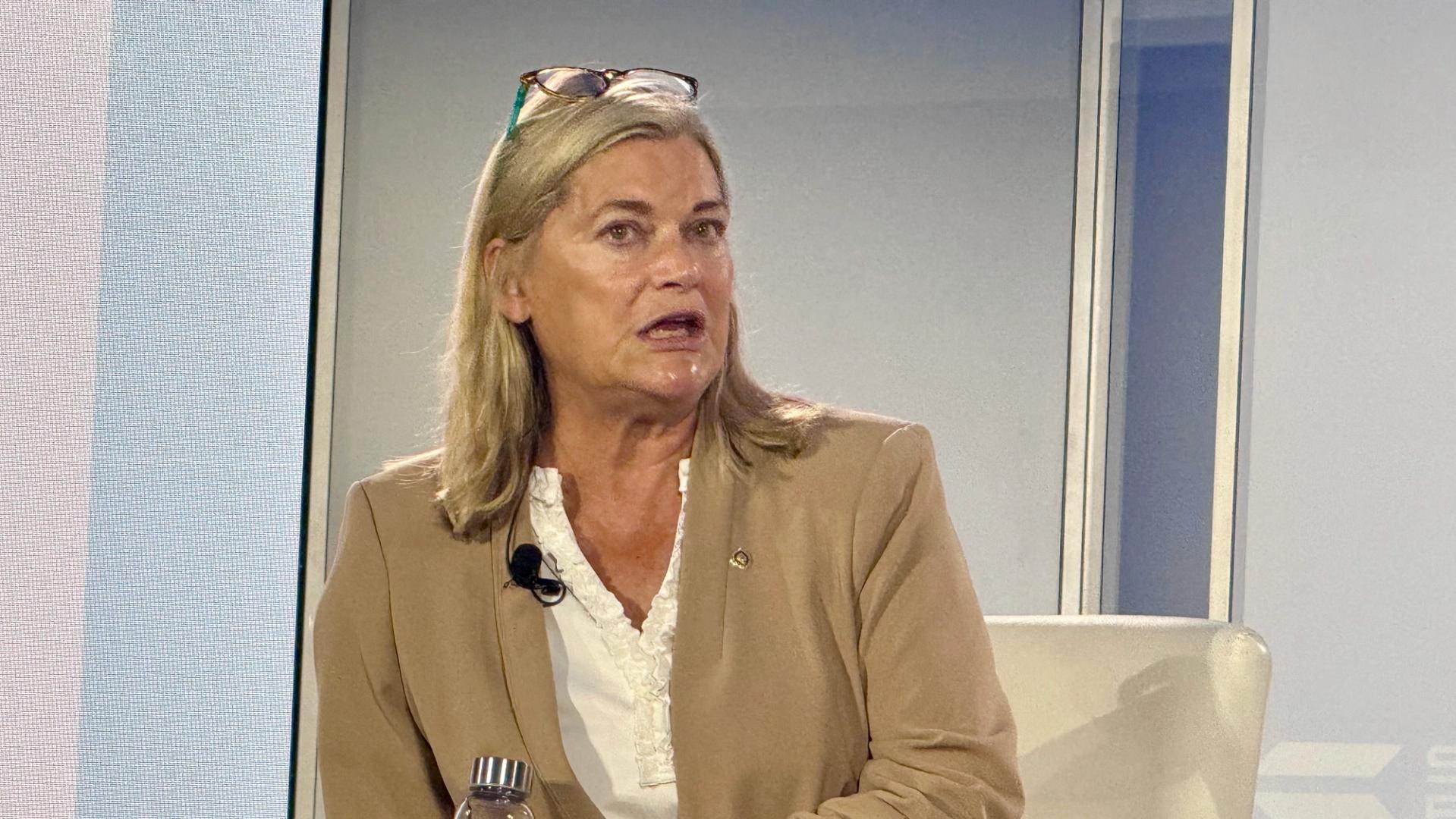
“Senate Democrats’ counter offer looks identical to their opening position at the start of recess,” said Senator Cynthia Lummis, one of the leading Republican negotiators, in a statement that lamented that “Democrats have not budged an inch” even as Republicans “moved substantially on every front.”
“If Democrats are serious about reaching a deal, they need to actually start negotiating instead of resubmitting the same demands and calling it progress,” Lummis concluded.
Though she’s been on the sidelines of the negotiations, Senator Elizabeth Warren, the Senate Banking Committee’s top Democrat, told reporters on Tuesday that the legislation pushed over the weekend by Republicans “was not negotiated with the Democrats.”
“It was between the Republicans and White House, and the changes were nonsense,” said Warren, who has been a steady critic of the legislation and of the industry behind it. “In each case, they put in some new words that pretended to solve the problem, and then just either left the problem intact or expanded it later on.”
Washington policy analysts were affixing long odds on the voting process on Tuesday.
“With Democrats largely skeptical of the GOP’s latest offer, it’s unlikely they will provide the necessary votes to advance the bill later today, barring significant changes,” Beacon Policy Advisors wrote in a client note. “While the party could hypothetically vote to advance the bill to continue negotiations — reserving the ability to vote it down if things move further in their direction this month — we think that pathway is narrow.”
Some hours remain before the 2:15 p.m. planned vote, and such legislative negotiations have been known to strike deals in the final seconds. But some industry insiders are unsure whether the talks can be salvaged, and leaders like Coinbase CEO Brian Armstrong have spent recent days arguing that a failed bill won’t halt regulatory progress.
At an industry event in Washington on Monday, White House crypto adviser Patrick Witt said that the U.S. Securities and Exchange Commission and the Commodity Futures Trading Commission both have “robust” regulatory agendas set for crypto rules.
“They’ve got a job to do one way or the other,” he said. “There’s still good news coming for the industry.”
However, even SEC Chair Paul Atkins has routinely acknowledged that his agency’s rules need the backing of law to be permanent. And the powers of the CFTC have a gaping hole when it comes to direct regulation of the crypto commodity spot markets — such as the trading of bitcoin BTC$76,422.00 and Ethereum’s ether ETH$2,422.09.
It’s possible that even Senate lawmakers who oppose the latest version of the Clarity Act could choose to vote yes to keep the process advancing. The Senate’s customary approach to approving bills, known as cloture, is a multi-stage process in which the first vote technically opens debate on legislation and allows for an amendment process. So an approval vote in the first test doesn’t always mean a bill is destined for success.
Also, despite the focus of Republican negotiators on Democratic opposition, the Republicans have had a number of their own members say they won’t support Clarity if the banks remain fearful that stablecoin rewards programs could threaten their base of interest-bearing deposits.
The banking industry, for its part, made clear on Monday that the final Republican version of the bill hadn’t solved its concerns. That position leaves some uncertainty over whether the GOP would have its own problems mustering support for Clarity.
The White House countered the bankers’ concerns on Tuesday by posting economic data suggesting the worries are misguided.
Jaret Seiberg, a policy analyst at TD Cowen, set the odds for a failure in the opening vote at 60%. In that scenario, he said, “Democrats, including those who are crypto friendly, decide the GOP changes are insufficient. It also likely means several Republicans vote no over stablecoin yield or law enforcement concerns.”
Meanwhile, the crypto industry is asking that lawmakers at least keep the process alive with an opening yes vote that allows them to continue talking.
“A yes vote is critical and keeps the process moving,” the leading crypto lobbying groups said in a joint statement on Tuesday. “Doing so will ensure that senators have opportunities to debate and move this much-needed legislation to the Senate floor.”
If the vote goes forward as planned on Tuesday and fails, that’s likely the end of the Clarity Act saga in this congressional session. And the odds remain high that Democrats could retake the House of Representatives majority in the November elections, meaning any future crypto legislative efforts could be under the agenda-setting authorities of Democratic committee chairs.
In the absence of a viable crypto bill, Democrats are likely to double down on their crypto corruption accusations about President Donald Trump and his administration. And the industry’s political action committees will have to determine whether some of the industry’s Democratic friends should then become political opponents.
Fairshake, the leading super PAC, hadn’t yet set its final election strategy, according to a person familiar with the planning, and nobody outside Fairshake has yet been briefed on how it’ll deploy more than $100 million in campaign cash.
Read More: U.S. Senator Lummis says Democrats won’t quit asking for more on crypto Clarity Act
Related Assets

- 1
- 2
- 3
- 4
- 5
- 6
- 7
- 8
- 9
- 10


Aug 27, 2026
Why it matters:
Tokenized equities lead RWA inflows as the market recovers; Binance’s bStocks hit ~$118.5M in two months, now #2 issuer and ~90% of on-chain equity DEX volume.