
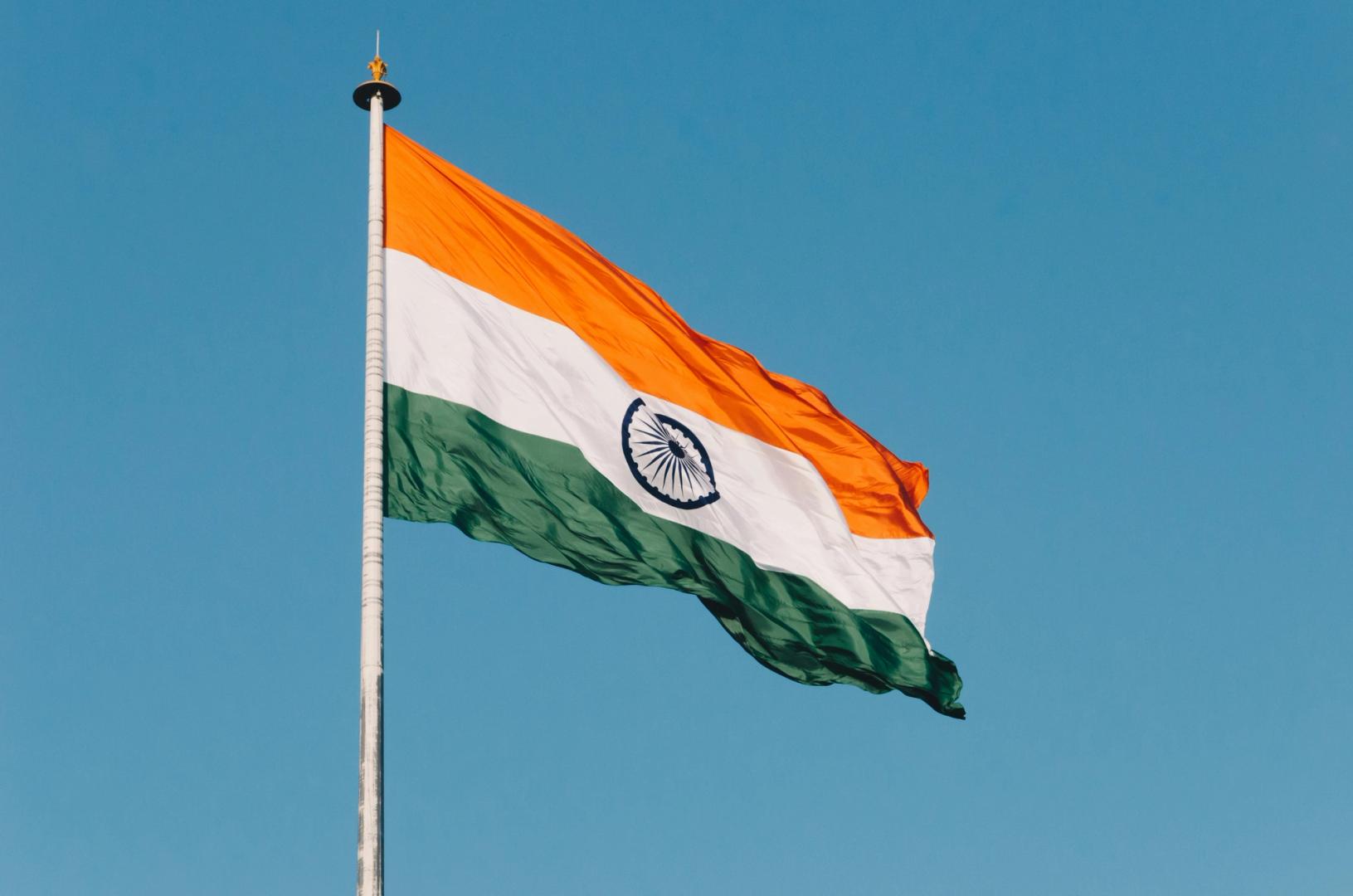
India cracks down on prediction markets: Polymarket goes dark, Kalshi could be next
Share this article
Updated May 22, 2026, 5:26 a.m. Published May 22, 2026, 5:14 a.m. 2 min read

- Polymarket, a major decentralized prediction market, has been blocked for users in India after a government directive ordering internet providers to cut access to certain betting platforms.
- The Ministry of Electronics and Information Technology has reportedly already issued a blocking order for Polymarket and is preparing a similar order for U.S.-regulated rival Kalshi.
- Indian authorities classify prediction markets as prohibited online money gaming.
Polymarket, the world’s largest decentralized betting platform, has gone dark for users in India. The website says, “This site can’t be reached. Check if there is a typo in polymarket.com.”
Refreshing the page does not resolve the connection issue.
The outage follows an April 25 advisory from the Ministry of Electronics and Information Technology (MeitY) directed at VPN service providers. The advisory warned that local users were continuing to access “illegal and blocked prediction market and online betting platforms” despite “domestic prohibitions.”
According to the directive, internet service providers were required to terminate access to prediction markets, with Polymarket among the primary targets.
While Kalshi, a platform regulated by the U.S. Commodity Futures Trading Commission (CFTC), is currently still accessible, it may soon face a similar fate. Local media reports, citing an anonymous source within MeitY, claim the agency has “already issued a blocking order to Polymarket and are in the process of issuing an order to Kalshi as soon as Friday.”
CoinDesk reached out to Polymarket and Kalshi for a comment.
Prediction markets enable users to wager real money on the outcomes of binary events, such as referendums, financial asset price movements, and election results. These platforms saw a massive surge in global popularity during the 2024 U.S. presidential election, becoming a primary venue for investors to hedge or bet on political outcomes.
However, the Indian government classifies the activity on these platforms as online money gaming. As a result, they fall under a category that is completely prohibited under the Promotion and Regulation of Online Gaming Act 2025.
The Indian government has maintained a consistently “risk-averse” and prohibitive stance toward the cryptocurrency sector, prioritizing financial stability and capital control over industry growth. New Delhi has utilized a “shadow ban” strategy through punitive taxation, including a 30% flat tax on gains and a 1% tax deducted at source (TDS) on all transactions, which has effectively throttled domestic trading volumes.
The Ministry of Finance has focused on bringing the sector under strict Anti-Money Laundering (AML) and Counter-Strike Financing (CFT) oversight via the Financial Intelligence Unit (FIU). This regulatory environment has pushed many local crypto startups to relocate to more friendly jurisdictions like Dubai or Singapore, as the government and the Reserve Bank of India continue to signal that it views private cryptocurrencies more as speculative “money games” than legitimate financial innovation.
India’s Parliamentary Standing Committee on Finance met crypto exchanges Binance, WazirX and Zebpay in Delhi on May 20 to discuss regulations and taxation for what it calls a virtual digital assets (VDA) industry.
The committee expressed concerns over massive outflows from the country via the crypto channel.
More For You
By Sam Reynolds|Edited by Omkar Godbole
3 minutes ago
Open interest held steady and funding stayed subdued during the recent liquidation wave, suggesting traders were de-risking rather than capitulating, according to HashKey Research’s Tim Sun.
What to know:
- Bitcoin hovered around $77,700 after a brief drop below $77,000, with derivatives data suggesting the move was a leverage flush rather than the start of a deeper downturn.
- Analysts say the $75,000 to $77,000 range remains a key support zone, as liquidations were split between longs and shorts and did…


