
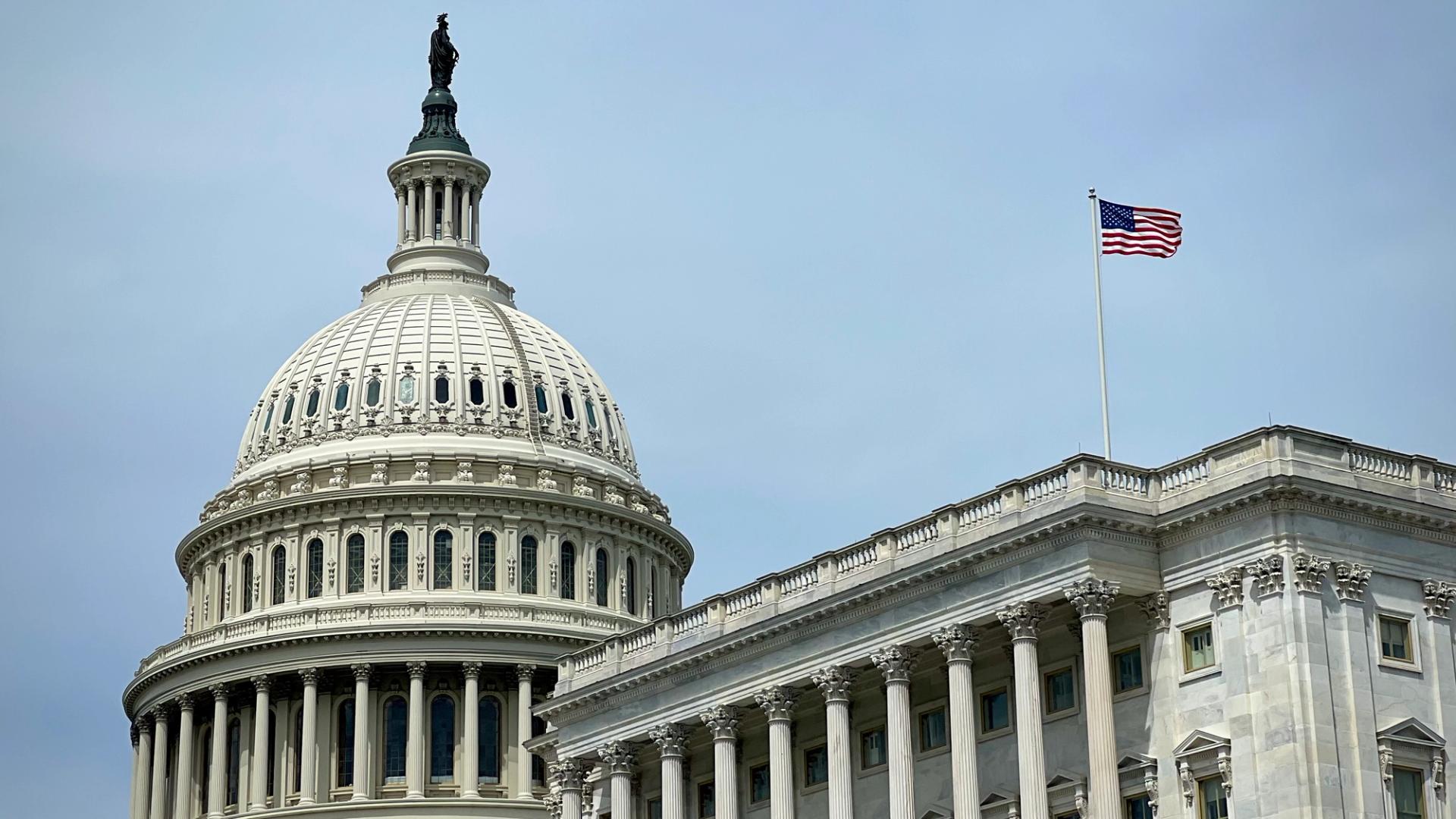
Crypto’s biggest Senate push falls flat as the Clarity Act fails to clear a crucial procedural vote
The years-long effort to set U.S. regulations for crypto markets couldn’t muster enough support to make the leap over the Senate’s final 60-vote hurdle.
By Jesse Hamilton|Edited by Nikhilesh De
Share this article

Summary
The Digital Asset Market Clarity Act failed to survive the politics of the U.S. Senate on Tuesday as a vote meant to start the bill toward passage was falling far short in rounding up the 60 supporters required to advance, according to the unofficial vote result as voting continues.
The industry has spent years and hundreds of millions of dollars trying to bring Congress to an approval of the market structure legislation, and while the Senate’s vote represents the furthest such an effort has progressed so far, the loss comes as a blow to the army of lobbyists, advocacy groups, political action committees and high-profile crypto executives that sought a new law.
The setback for the crypto industry’s top policy goal potentially sends the process back to the drawing board unless some long-odds maneuvers develop in the final weeks of the congressional session after November’s midterm elections.
Negotiators for the two political parties had hashed out more than 600 pages of legislative compromise, but a few final sections of the bill — such as the ethics provisions meant to curtail senior government officials from maintaining crypto business ties — turned out to feature insurmountable rifts. And the closer the process dragged toward the elections, the more likely it was that political pressures would get in the way of a bipartisan deal.
Leading Republican negotiator Senator Cynthia Lummis made the final pitch before the vote, but she failed to convince enough colleagues to join her.
“Do not let this day be the day we handed our future to someone else because we were too afraid to finish what we started,” she said on the Senate floor. “Let’s vote yes. Let’s not only join the 21st Century economy. Let’s not only join the digital age. Let’s lead it. Let’s define it.”
The industry will turn to the U.S. market regulators who are already at work trying to impose rules on the sector.
The Securities and Exchange Commission and the Commodity Futures Trading Commission have started moving forward on initiatives the industry hopes will provide enough regulatory stability and certainty that it will help coax more investors and businesses off the sidelines.
The SEC recently proposed its first major crypto rule — Regulation Crypto Assets, or Reg Crypto — to clear a path for crypto projects to raise money and get off the ground without immediately drawing difficult regulatory requirements. And the agency is poised to start approving a narrow version of securities tokenization that could eventually remake how securities transactions are executed in the U.S.
However, even the regulator at the helm, Chairman Paul Atkins, has said the new crypto rules and exemptions from registration demands won’t be durable without a law underpinning them. Much of what the agency has expressed so far on crypto policy has been in easy-to-reverse expressions of guidance, and even a formal rule can be erased in the same way it was written.
In the longer term, industry super PACs — led by Fairshake — will have to decide how to treat the politicians who cast no votes on Tuesday. A person familiar with the PAC’s planning said Fairshake hadn’t yet settled on what to do in these final weeks before the Nov. 3 election that will settle the makeup of the next Congress, including the majorities who will have authority over future crypto legislative efforts.
Industry PACs will continue to add more crypto-friendly members of Congress in the hope that a tipping point will be reached for legislative inevitability.
The core idea behind the Clarity Act is to clearly define how the government would approach different types of cryptocurrencies and blockchain projects, and give specific roles to the regulatory agencies, including new authority for the CFTC to be a watchdog for crypto spot markets.
While the defeat of the Clarity Act is a blow for digital assets advocates, the congressional session saw a major earlier win in 2025 when the Guiding and Establishing National Innovation for U.S. Stablecoins (GENIUS) Act earned a massive bipartisan approval and became law. The industry had transitioned from a 2022 beset by failures and high-profile scandals to a major legislative victory in just three years, and that law for stablecoin issuers is now being implemented by regulators.
The current Congress will wind down its session at the end of the year, and a new Congress will be seated at the start of January. If Democrats win the majority in either chamber — and that outcome is considered likely in the House of Representatives — bills won’t advance without their say-so. And they’d be expected to spend some amount of time and effort on investigations that will almost certainly touch on the relationship between the Trump administration and crypto businesses and leaders.
Crypto market structure is unlikely to be a top priority of Representative Maxine Waters, if she returns to the helm of the House Financial Services Committee. And if Democrats win the Senate majority, it’s likely to be crypto-foe Elizabeth Warren in charge of the Senate Banking Committee.

- 1
- 2
- 3
- 4
- 5
- 6
- 7
- 8
- 9
- 10


Aug 27, 2026
Why it matters:
Tokenized equities lead RWA inflows as the market recovers; Binance’s bStocks hit ~$118.5M in two months, now #2 issuer and ~90% of on-chain equity DEX volume.