
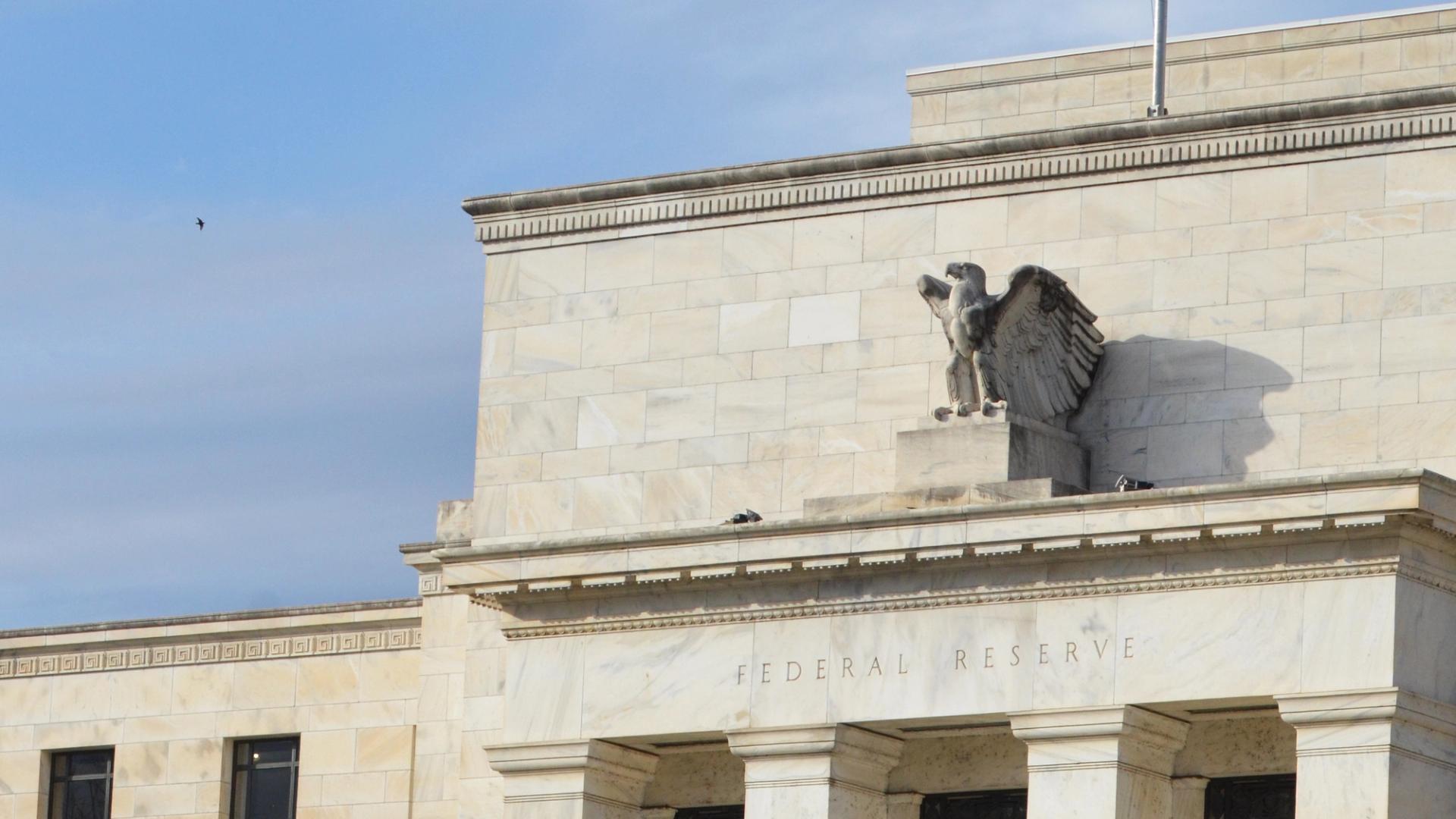
U.S. agencies seek stablecoin customer-ID rules akin to banks in new GENIUS Act rule
The Federal Reserve, Treasury and other regulators have issued a proposed rule that would set identification standards, and it’s now open for public comments.
By Jesse Hamilton|Edited by Nikhilesh De
Jun 18, 2026, 5:17 p.m.
Share this article

Summary
The U.S. Federal Reserve, Treasury Department and other financial regulators are pushing a new stablecoin rule that treats issuers like other regulated financial firms when it comes to identifying their users, releasing their draft of the proposed rule on Thursday.
This effort marks the latest step in implementing last year’s Guiding and Establishing National Innovation for U.S. Stablecoins (GENIUS) Act — the first major crypto law that puts a key aspect of the industry on the map of U.S. financial regulation. Like more traditional financial firms, such as banks and brokerages, U.S. stablecoin issuers must meet the demands of the Bank Secrecy Act and maintain a system of verification for customers’ identities, which is meant to combat money laundering, illicit finance and terrorism funding.
These standards, according to the rule proposal, “must include reasonable procedures for: (1) verifying the identity of any person seeking to open an account to the extent reasonable and practicable; (2) maintaining records of the information used to verify a person’s identity, including name, address, and other identifying information; and (3) determining whether the person appears on any lists of known or suspected terrorists or terrorist organizations provided to the financial institution by any government agency.”
The Fed opened a 60-day public comment period alongside the other agencies in the joint effort, including the Office of the Comptroller of the Currency, Federal Deposit Insurance Corp., National Credit Union Administration and the Treasury Department’s financial-crimes arm.
In September, the regulators had issued a more preliminary document seeking comments to direct their GENIUS implementation in this and other areas, and the Treasury received 450 comments. This new stage is known as a “notice of proposed rulemaking,” which comes with another comment period and review before the agencies can eventually issue final joint rules and begin enforcing the regulations.
The Treasury’s Financial Crimes Enforcement Network (FinCEN) has pursued its own related rule to apply the GENIUS Act anti-money laundering provisions on issuers.
Though crypto-native firms such as Tether (with its USDT) and Circle (with its USDC) have dominated the field for managing these U.S. dollar-based tokens, a number of traditional firms have also pushed into the market, and the industry is seeing widespread growth and experimentation. Even as regulated issuers of stablecoins, known as “permitted payment stablecoin issuers” or PPSIs, are standing by as the U.S. financial agencies work their way through the lengthy implementation process, the competition in the field has been fierce.
While the proposals are progressing, there was some hesitancy from one member of the Fed board.
“I remain concerned, however, that the GENIUS Act regulatory framework does not do enough so far to address the risks of illicit finance conducted through secondary market transactions in payment stablecoins,” said Fed Governor Michael Barr, who had been the central bank’s supervisory chief until the start of the Trump administration. “While some digital asset service providers are subject to anti-money laundering and anti-terrorist financing requirements in their home jurisdiction, it is far too easy for bad actors to evade these restrictions and operate without detection when transacting in digital assets.”
Barr’s statement said he’ll be paying special attention to the proposal’s consideration of whether the ID provisions “should be extended to secondary market activity.”
The 130-page proposal poses these questions on that point: “Should any CIP requirement be extended to secondary market activity? If yes, in what circumstances? What would be the benefits and drawbacks of doing so?”
Read More: Banks seek to slow down implementation of crypto’s GENIUS Act on stablecoin oversight

- 1
- 2
Crypto for Advisors: Trading the bitcoin cycle
2 hours ago
- 3
- 4
- 5
- 6
- 7
- 8
- 9
- 10


In May, combined exchange volumes fell 3.45% to $4.41T; the lowest since September 2024. RWA perpetual futures volumes rose 10.4% against the trend, hitting a new all-time high.
Jun 15, 2026
In May, combined exchange volumes fell 3.45% to $4.41T; the lowest since September 2024. RWA perpetual futures volumes rose 10.4% against the trend, hitting a new all-time high.
Why it matters:
In May, combined exchange volumes fell 3.45% to $4.41T; the lowest since September 2024. RWA perpetual futures volumes rose 10.4% against the trend, hitting a new all-time high.